



Family Consumer Science
4-H Heritage Arts Project
The Colorado 4-H Heritage Arts Projects teach youth traditional crafts that connect them to the past while developing practical skills and creativity.
Quilting: Learn quilting history, create quilted items with historical significance, and develop techniques applicable to creative or business pursuits.
Crochet: Learn the history of crochet, basic and advanced stitches, yarn substitution, blocking, and finishing to create projects, with potential for home-based business skills.
Knitting: Explore knitting history, basic and advanced stitches (lace, cable, color work), yarn substitution, and finishing techniques while creating meaningful items.
Fiber and Non-fiber Arts: Study the history and influence of chosen fibers or materials, create historically inspired items, and gain skills for potential home-based businesses.
Project Overview
Crochet
Designed for members 8-18 years old.
Inspiring youth to:
- Create a crochet item that connects you to the past
- Unit 1 – Learn about the history of crochet, use single crochet stitch
- Unit 2 – Learn about yarn substitution, add half double, double, treble, or color work skills
- Unit 3 – Learn about blocking and finishing, utilize any stitch type
- Gain skills that might lead to a home-based business
Knitting
Designed for members 8-18 years old.
Inspiring youth to:
- Create a knitted item that connects you to the past
- Unit 1 – Learn about the history of knitting, Stockinette and/or Garter stitch
- Unit 2 – Learn about yarn substitution, add lace, cable, or color work skills
- Unit 3 – Learn about blocking and finishing, utilize any stitch type
- Gain skills that might lead to a home-based business
Fiber and Non-fiber
Designed for members 8-18 years old.
Inspiring youth to:
- Learn about the history of the fiber or non-fiber chosen
- Create an item that connects you to the past
- Learn about the historic influence that the fiber has had
- Gain skills that might lead to a home-based business
Quilting
Designed for members 8-18 years old.
Inspiring youth to:
- Learn about the history of quilting
- Create a quilted item that connects you to the past
- Learn about the historic influence that quilted items have had
- Gain skills that might lead to a home-based business
Official Project Materials
Materials & Curriculum
Member Resources

Find Your County
Counties play a crucial role in 4-H by providing a platform for young people to learn and grow.
Counties facilitate the delivery of 4-H programs that are of particular interest in their area and qualified, compassionate adult leaders run local clubs to support our youth 4-H members.
To find out if this project is supported locally, contact your local extension office.
Upcoming Events
Currently there are no events scheduled at this time associated to this page. Please check back for the latest events as they are scheduled.
Project Tips
- Write a history of the craft you learned and a story of your personal experience in this project. References are required:
- Juniors (8-10) one or two references
- Intermediates (11-13) two or three references
- Seniors (14 and older) three or more references.
- All of the work must be done by the member, but you may have someone help you use the quilting machine.
- You are responsible for finding someone to teach you techniques that you are not familiar with such as a commercial businesses that offers classes or libraries and the internet.
- Intermediate and senior members are expected to include more skills and more difficult techniques than junior members.
- A small exhibit, done well, is better than a large project done poorly.
- Crochet and Knitting exhibits need to include the gauge that was used for the exhibit on the item and in the e-record.
- Quilting label should include the stitches per inch.
- Have fun with the 4-H story section of the e-record.

Careers
Regulation
Help prevent illegal or contraband items from entering or leaving the United States
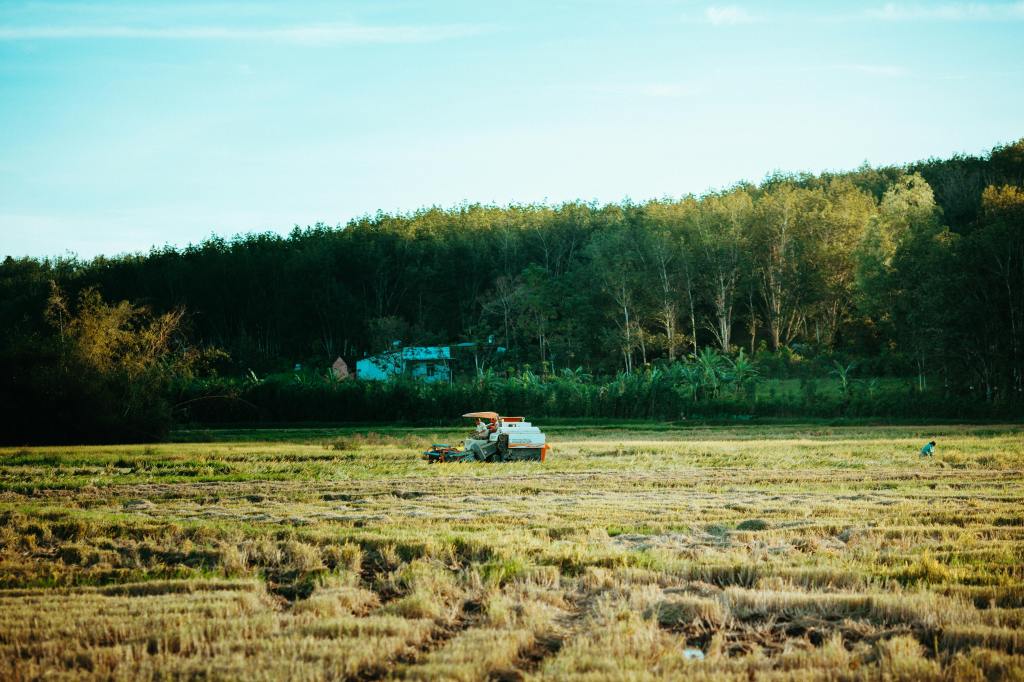
Crops/ Animal Researcher
Research and improve crop and animal production; improve raw product for the heritage arts industry
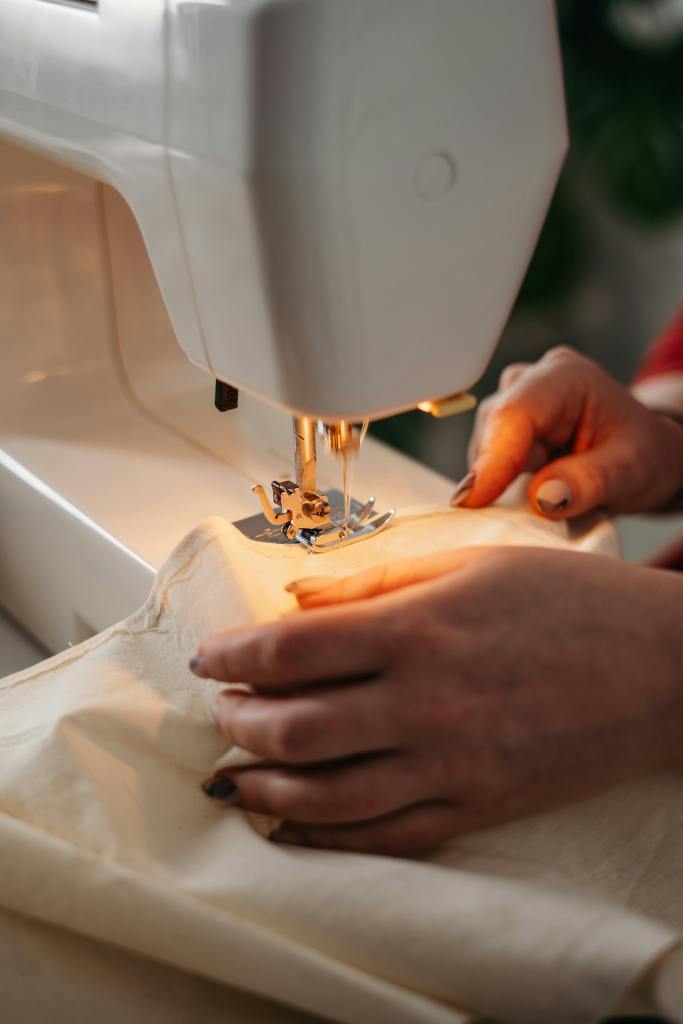
Seamstress
Sew different items at a variety of levels to create different products and provide repair
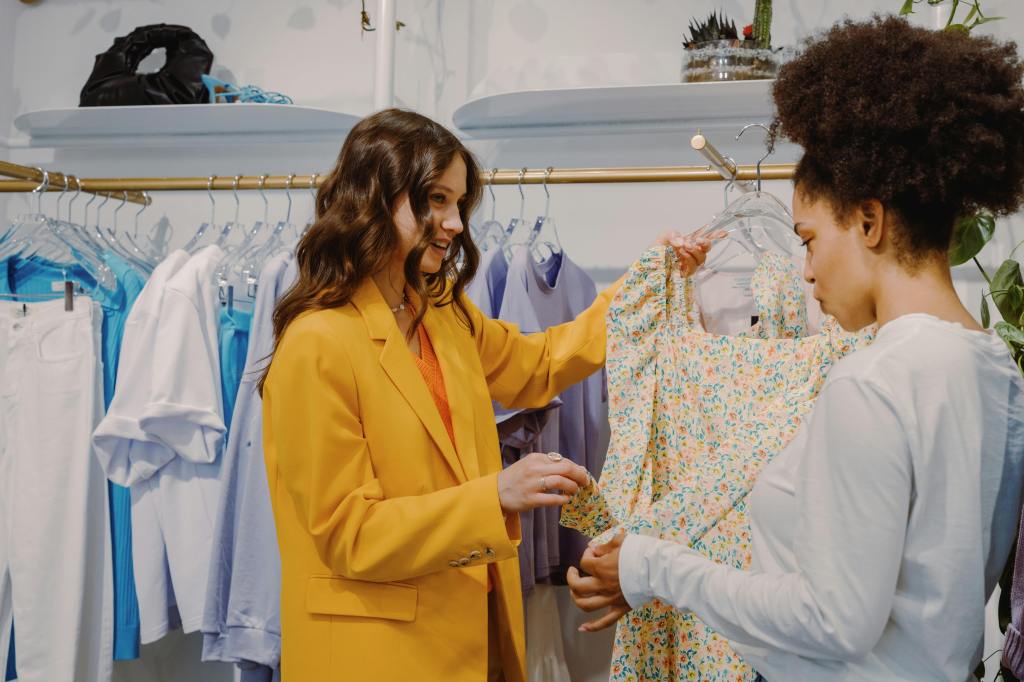
Retail & Sales
Work with the retail industry to aid with purchasing items or through store ownership

Design
Create heritage art items and follow trends to provide customers with products that are functional, comfortable and fashionable

Education
Teach others about heritage arts in a variety of applications and learning environments
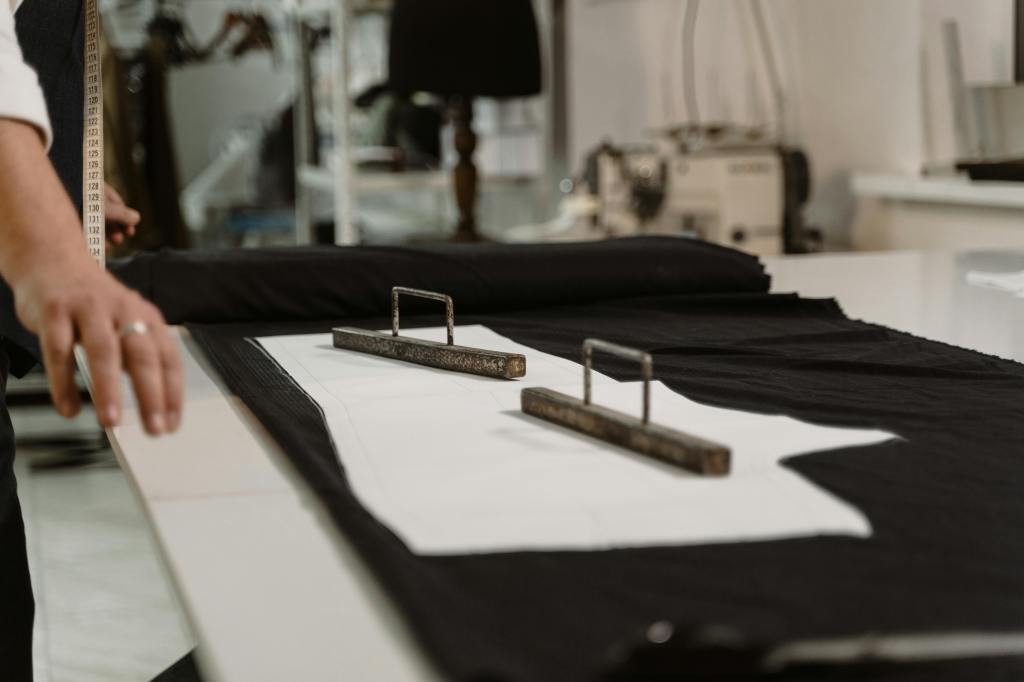
Manufacturing/ Distribution
Create & move products where business and individuals need

Legal
Work at all levels from raw materials to retail to help with contracts, labor, patents, and more