



Natural Resources
4-H Sportfishing Project
The Colorado 4-H Sportfishing Project inspires youth to learn about fishing techniques, equipment, and safety while developing an understanding of aquatic habitats and fish biology.
Participants practice casting, tying knots, selecting bait, and handling fish responsibly, and they learn about conservation, water safety, and ethical angling practices. The project encourages goal setting, record keeping, and participation in local, district, and state fishing events, while fostering patience, problem-solving skills, and an appreciation for natural resources.
Through Sportfishing, youth also explore potential careers in fisheries management, conservation, and outdoor recreation.
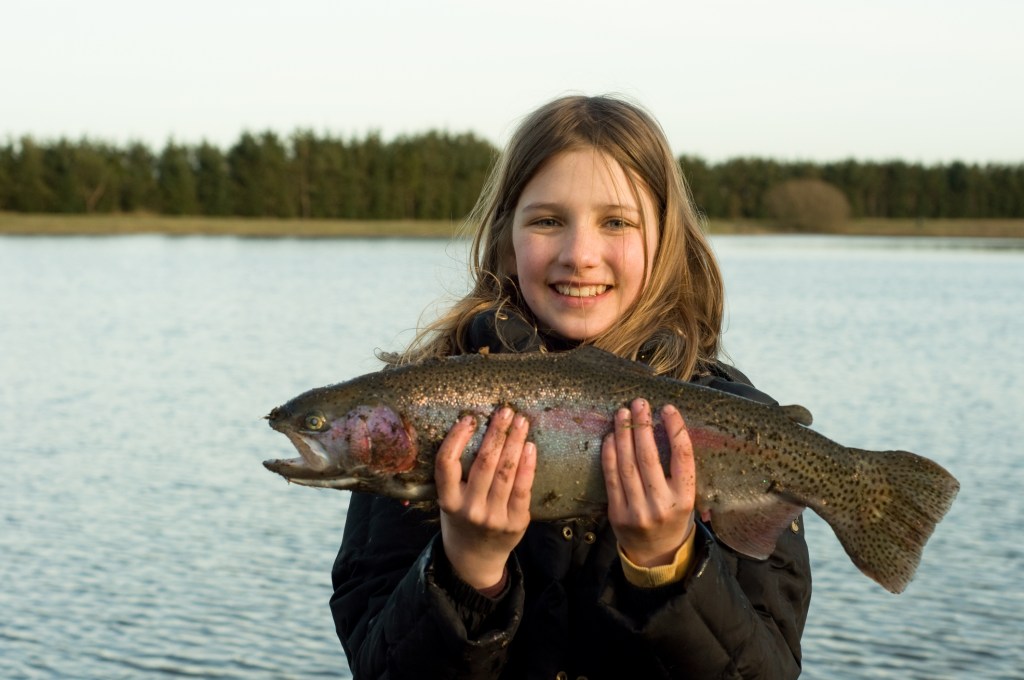
Project Overview
UNIT 1
Take the Bait
Designed for members 8-18 years old.
Inspiring youth to:
- Learn different casting methods
- Learn how to decide on the proper tackle
- Understand the basics of aquatic ecology
- Learn the importance of clean environment
UNIT 2
Reel in the Fun
Designed for members 8-18 years old.
Inspiring youth to:
- Learn how to tie fishing knots
- Practice different types of casting
- Make your own fishing tackle
- Study the different characteristics of fish
- Recognize the importance of water quality for fish habitat
- Understand why fishing regulations are important
- Prepare a fish meal for a family
UNIT 3
Cast into the Future
Designed for members 8-18 years old.
Inspiring youth to:
- Learn how to determine the age of a fish
- Disassemble and reassemble a fishing reel
- Make artificial flies and lures
- Modify fishing equipment
- Design and craft a lure
- Collect and identify aquatic insects
Official Project Materials
Materials & Curriculum
Member Resources

Find Your County
Counties play a crucial role in 4-H by providing a platform for young people to learn and grow.
Counties facilitate the delivery of 4-H programs that are of particular interest in their area and qualified, compassionate adult leaders run local clubs to support our youth 4-H members.
To find out if this project is supported locally, contact your local extension office.
Upcoming Events
Currently there are no events scheduled at this time associated to this page. Please check back for the latest events as they are scheduled.
Project Tips
- Complete the Sportfishing e-record and secure in a sturdy binder
- Select and complete fishing trips and record your explorations and observations
- Share new skills through talks, exhibits and demonstrations
- Try out the activities and Fishing Deeper activities in the manual
- Find a topic for your exhibit from what you learned

More Tips
- Exhibits may include a display board or stand-alone items such as hand-wrapped rods or hand-made lures.
- Please consider the toxicity of materials used in projects and their impact on fish and their surrounding environment. Be sure anything that may come into contact with fish used for consumption is made with materials that are food safe.
- Stand alone items must not exceed 3′ in width or depth and 7′ in height. The items must be stable when standing to be displayed.
- For display boards, use photos, drawings, or other illustrations rather than actual items.
- Hooks must be removed from lures and jigs when these items are used in an exhibit. The exceptions are artificial flies, which may be exhibited with functional hooks, but the hook points must be imbedded in material (i.e., rubber, dense cork, etc.) that will secure the flies and offer safety to the judges and other show officials. Be sure to remove barbs and any other sharp points.
Careers
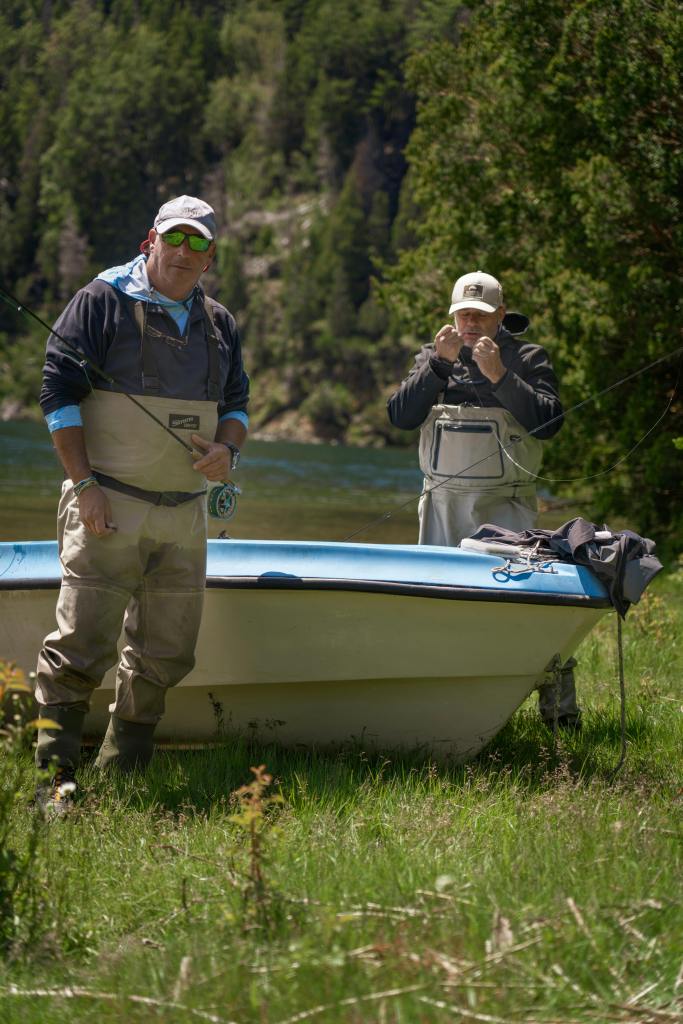
Fishing Guide
Leads clients on fishing trips, provides instruction and ensures a safe and enjoyable experience
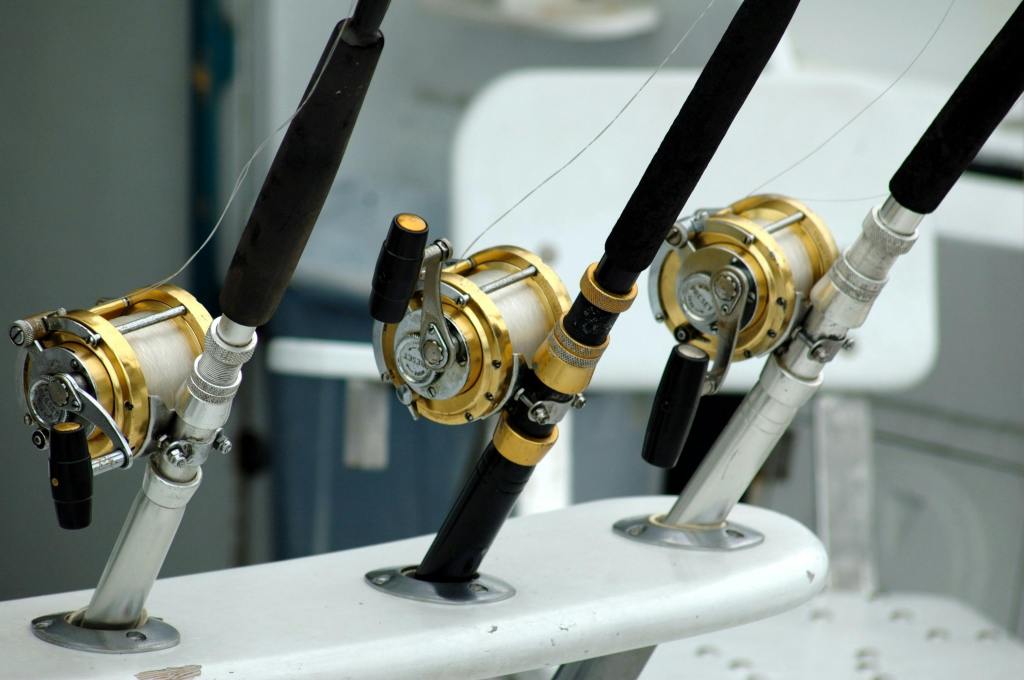
Charter Boat Captain
Operates fishing charters, manages crew, and provides customer service

Tackle Shop Owner
Runs a retail business selling fishing equipment, gear, and accessories
Sportfishing Writer/Journalist
Writes articles, books, or produces media content related to sportfishing

Fishing Tournament Organizer
Plans and manages fishing competitions and events
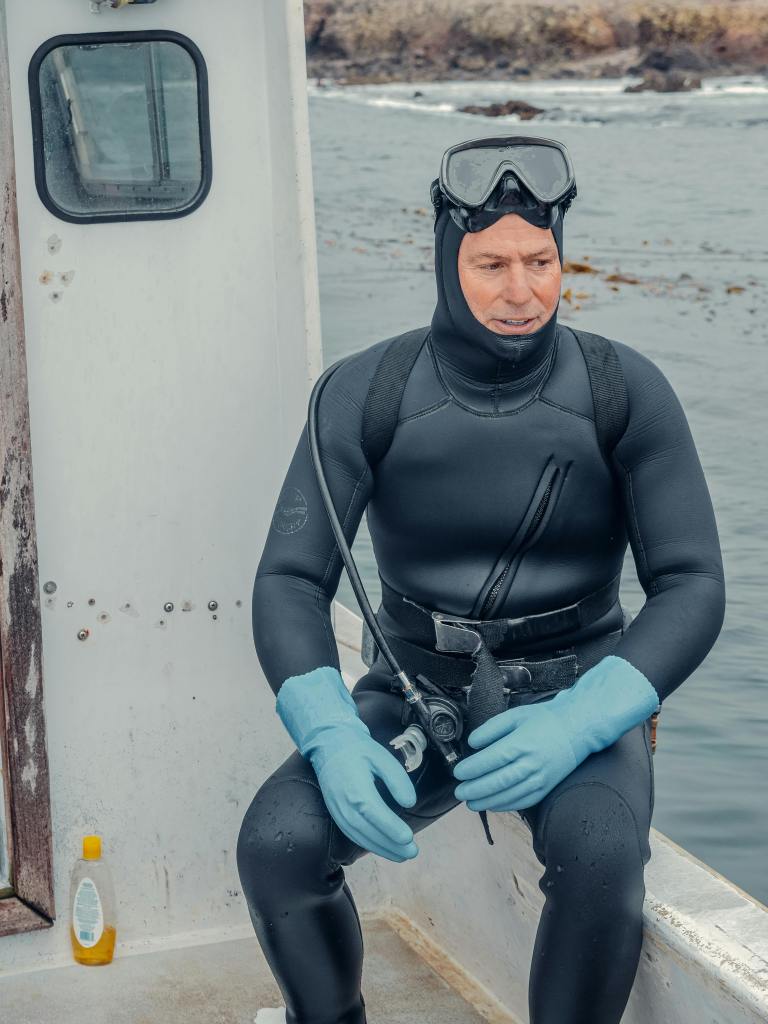
Aquatic Biologist
Studies fish populations and aquatic environments to assist in conservation and management practices

Conservationist
Works on projects related to the preservation of aquatic habitats and fish species
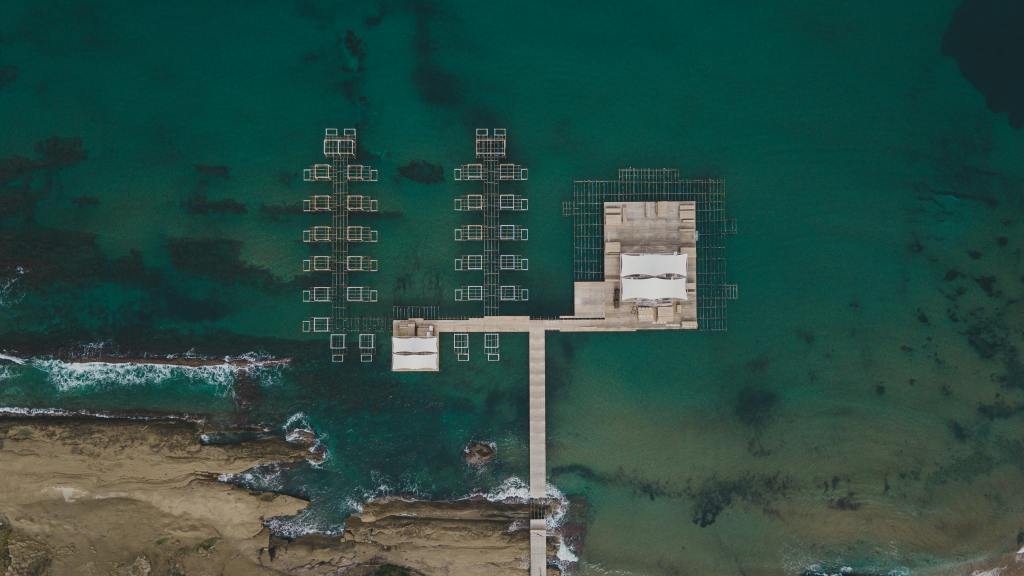
Fisheries Management
Works in the fishing industry to help maintain health of sportfishing environments and populations of fish