



Natural Resources
4-H Beekeeping Project
The Colorado 4-H Beekeeping Project guides youth from beginner to advanced with skills in caring for honeybees and managing hives.
Participants start by shadowing experienced beekeepers, learning about bee anatomy, life stages, behavior, and equipment, and observing flowers and hive activity. As they progress, they manage their own hives for a full year, learn to handle diseases and mites, keep detailed records, extract and market honey, and maintain healthy colonies. Advanced skills include requeening, splitting hives, and managing strong colonies, while the final stage encourages independent exploration, research, business planning for bee products, and giving demonstrations, fostering both practical knowledge and leadership.
Project Overview
Unit 1
Designed for members 8-18 years old.
Inspiring youth to:
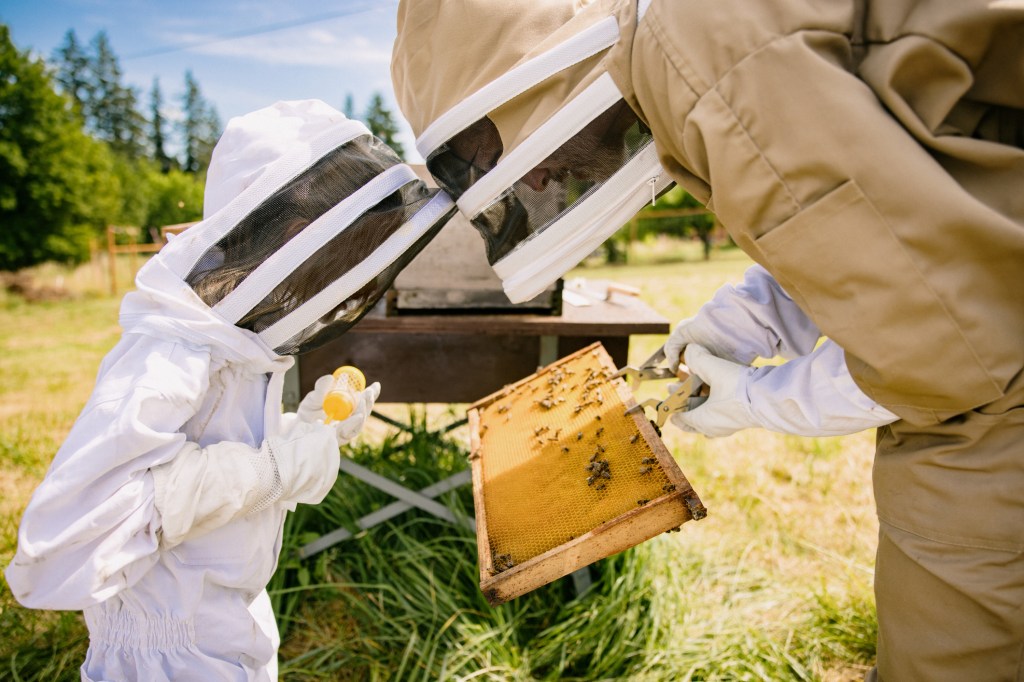
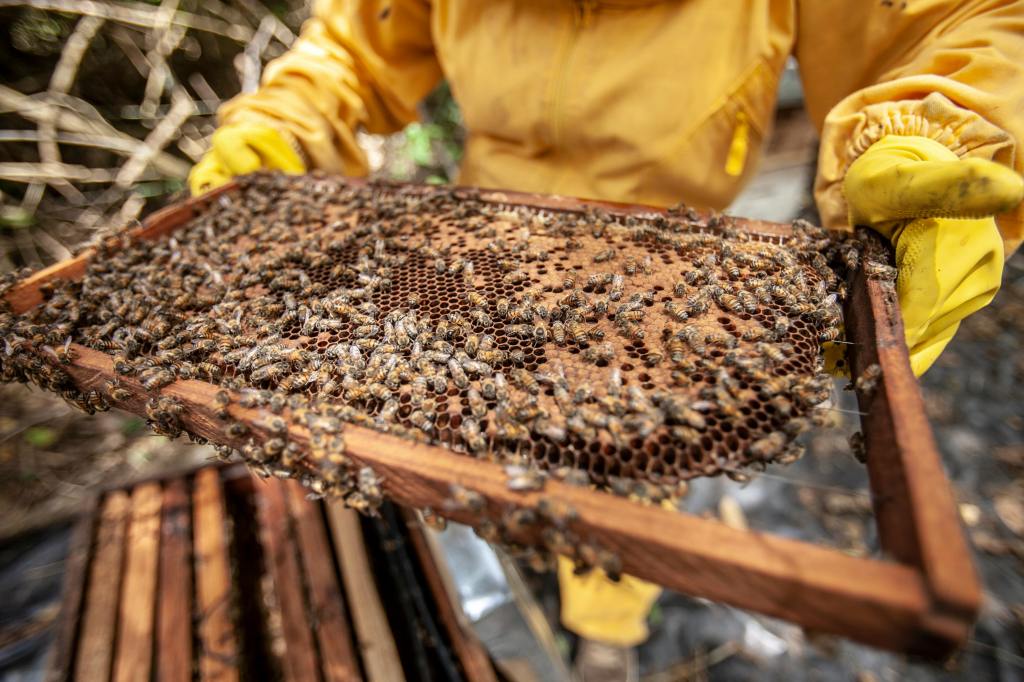
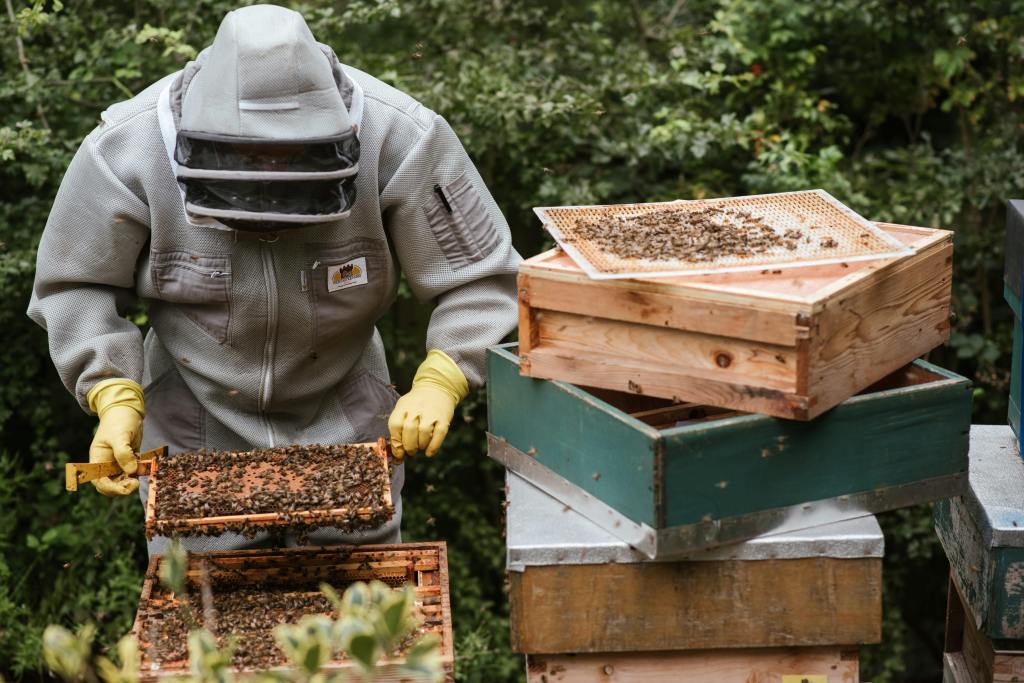
- Shadow an experienced beekeeper and learn to use equipment, open the hive, and clean up procedures.
- Learn about the history of beekeeping and why honey bees are valuable.
- Learn about the three different types of honey bees, their anatomy and life stages.
- Observe what happens at the entrance of a hive. See the different activities of the honey bee.
- Catalogue various species of flowers and observe the bees landing on the blooms.
- Lease, obtain equipment and take care of honey bees.
Unit 2
Designed for members 8-18 years old.
Inspiring youth to:
- Learn the various ways of obtaining bees and take care of a beehive of your own for a full year.
- Learn about the various diseases and mites common to honey bees.
- Visit Beekeepers Association meetings and join a community of beekeepers.
- Keep records of the honey bees activities, their conditions, equipment, finances, and your labor.
- Learn how to manage a bee hive and how to keep them alive and healthy.
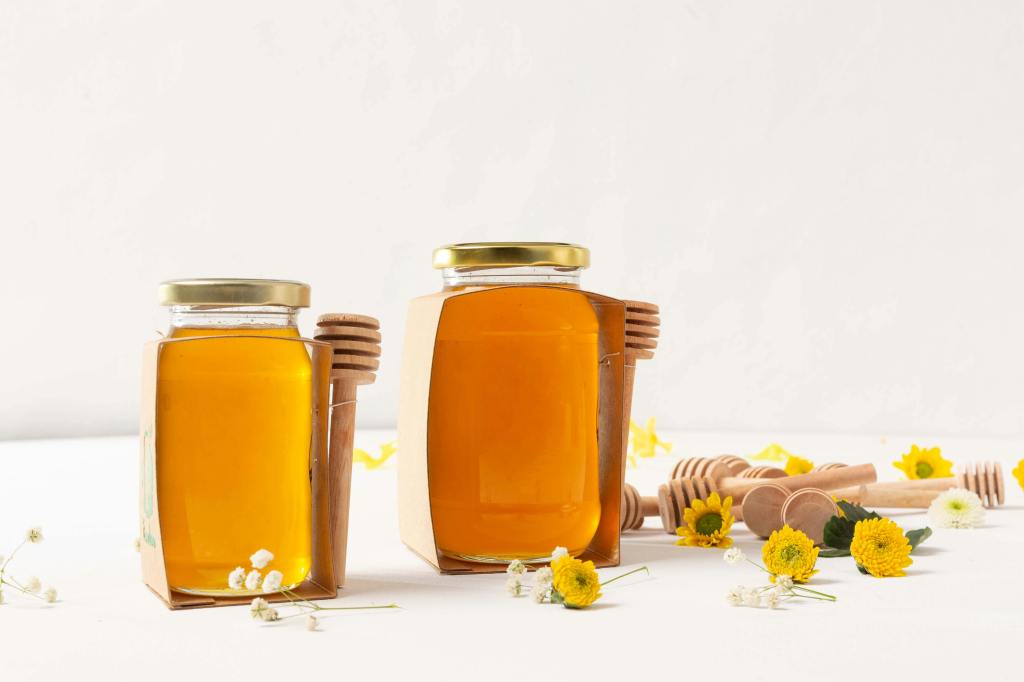
- Learn how to extract honey and market it for sale.
Unit 3
Designed for members 8-18 years old.
Inspiring youth to:
- Learn advanced techniques for taking care of bee hives.
- Learn how to keep a strong, populous colonies with young queens and the art of labeling your queens and requeening when needed.
- Learn how to manage mites and other issues with the honey bees.
- Keep record sheets of your work and expenses.
- Learn how to split colonies and increase your hive numbers.
Unit 4
Designed for members 11-18 years old.
Inspiring youth to:
- Investigate an area of interest related to beekeeping to display in a notebook.
- Write a business plan for your small bee product(s) operation.
- Give a demonstration related to their project about bees to a group.
- Shadow an experienced beekeeper.
Official Project Materials
Materials & Curriculum
Member Resources

Find Your County
Counties play a crucial role in 4-H by providing a platform for young people to learn and grow.
Counties facilitate the delivery of 4-H programs that are of particular interest in their area and qualified, compassionate adult leaders run local clubs to support our youth 4-H members.
To find out if this project is supported locally, contact your local extension office.
Upcoming Events
Project Tips
- It is recommended that you finish Unit 1 before beginning Unit 2.
- For Unit 1, it is recommended to get the book, “The New Starting Right with Bees,” and read it as you complete the unit.
- For Unit 2, it is recommended that you subscribe to a beekeeper magazine such as “American Bee Journal” or “Bee Culture,” and you may want to get the book, “Honey Bee Biology and Beekeeping.”
- For Unit 3, it is recommended that you read “Honey Bee Biology and Beekeeping” and “The Hive and the Honey Bee.”
- For Unit 4, it is recommended that find various resources to continue your learning and help with your project.
- Read exhibit requirements for specific instructions to exhibit products or to display an informational board.

Careers
Beekeeper
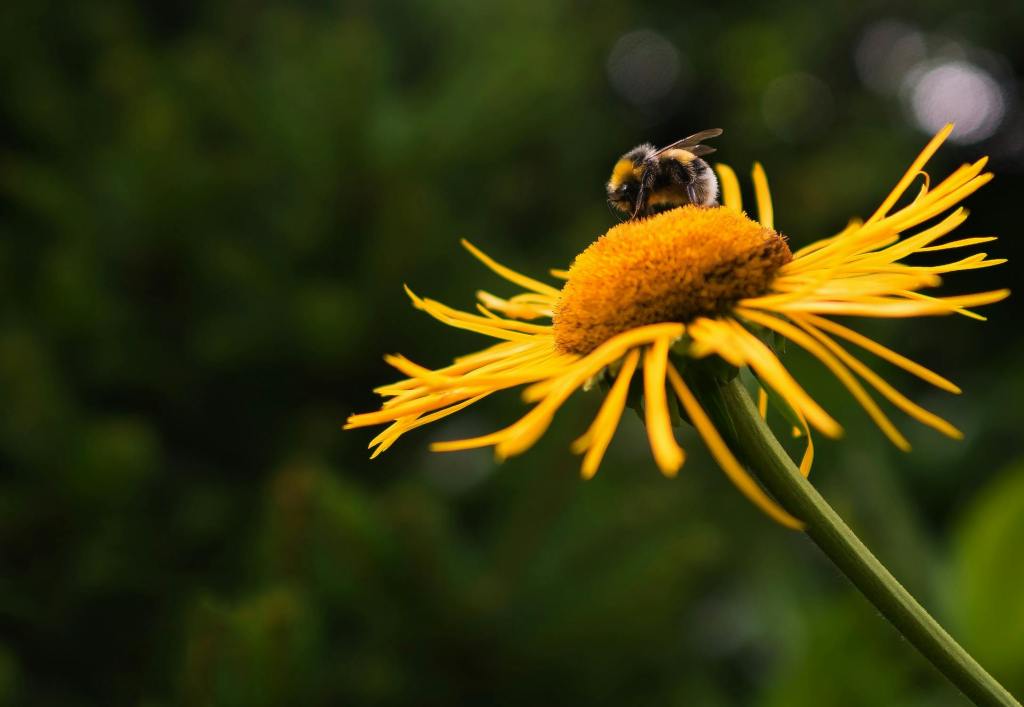
Raise and sell or manage beehives privately or commercially for use in the industry
Insect Pavilion
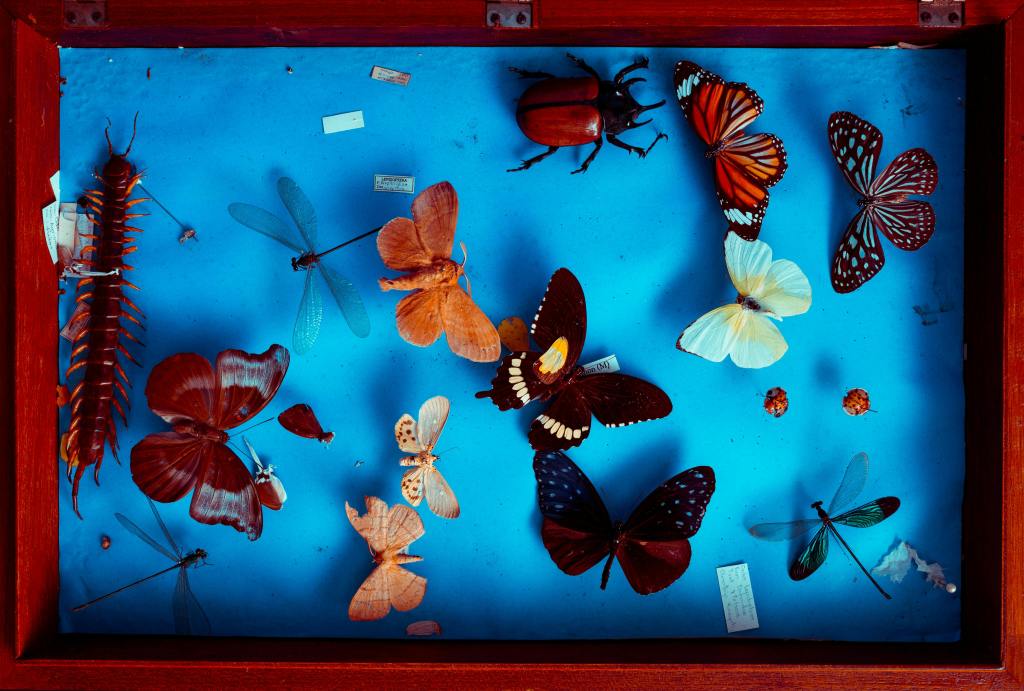
Educational opportunities to showcase insects, their habitats, and different varieties to educate the public
Food Safety
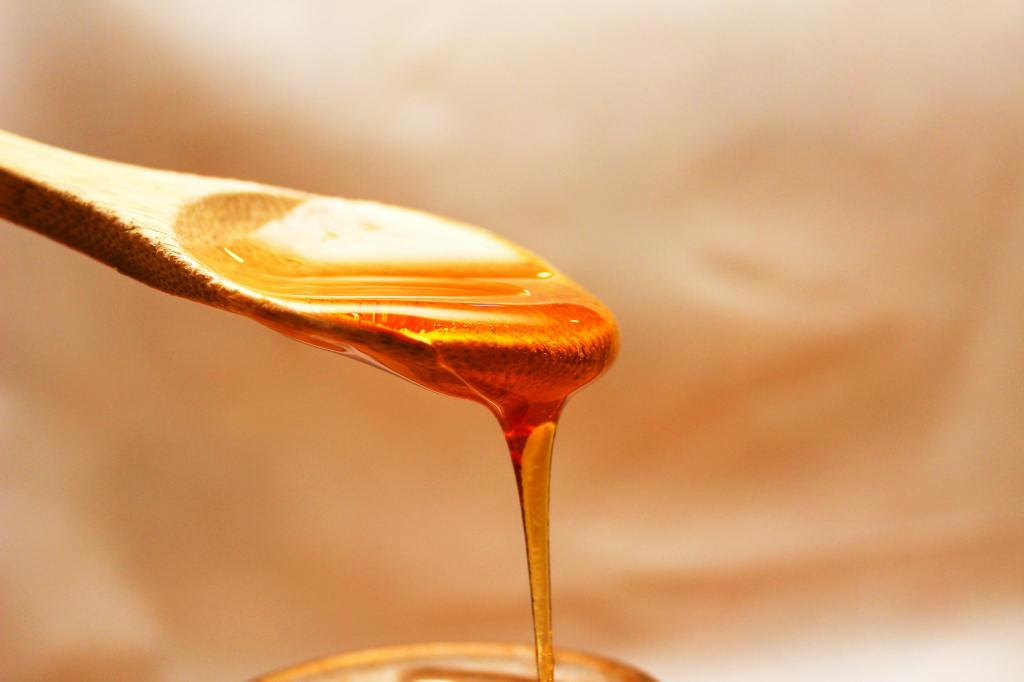
Work with producers and manufacturers to ensure honey-based products’ safety and quality for consumers
Regulation &
Inspection
Work with U.S. Customs or Border Patrol/Inspection Officer or State Divisions

Diagnostic
Provide diagnostic services to test for potential diseases or illnesses
Education
Opportunity to teach others about beekeeping from small to large scale
Retail
Provide sales of products at different retail levels

Advocacy / Political
Appointments
Apply knowledge and experience to hold a board appointment (i.e.
Honey Bee Board) or work within
a government division