



Mechanical Sciences
4-H Robotics & Engineering Project
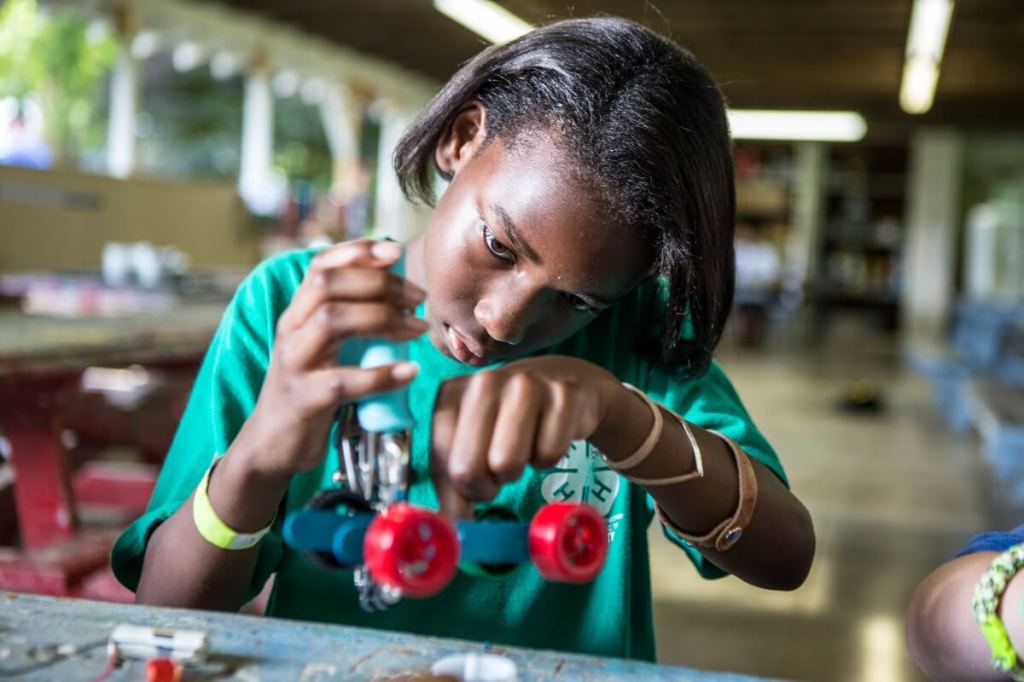
The Colorado 4-H Robotics and Engineering Project is designed to engage youth in exploring science, technology, engineering, and math through hands-on, problem-solving experiences.
Members learn foundational skills in mechanical design, electronics, programming, and robotics systems while working individually or in teams to design, build, and test robots. Early units focus on basic engineering concepts, simple machines, and introductory coding, while advanced units cover complex robotics systems, automation, sensors, and integration of multiple technologies. Participants practice project planning, documentation, troubleshooting, and iterative design while developing critical thinking, creativity, and teamwork.
The program encourages innovation, real-world application of STEM concepts, and prepares youth for future careers in engineering, robotics, and technology fields.
Project Overview
UNITs 1-3
Junk Drawer Robotics
Designed for members 8-18 years old.
Inspiring youth to:
- Use everyday items to master robotics skills
- Learn about robotic arms that can complete tasks
- Learn about robotic movement
- Learn about mechatronics, electricity, and computer programming.
UNITs 4-6
Platform Robotics
Designed for members 8-18 years old.
Inspiring youth to:
Learn to use a robotics kits such as:
- Ardunio
- EV3
- Brushbot
- Hexy
- Pushbutton Programming
- Cubelets
- Robotic Arm Edge
- Spark Fun RedBot
- WeDo
- Multiplo
- NXT
- TETRIX
UNIT 7
Robotic Teams
Designed for members 8-18 years old.
Inspiring youth to:
- Participate on a robotics team
- Use skills learned in previous units to build a robot and compete
Official Project Materials
Materials & Curriculum
Member Resources

Find Your County
Counties play a crucial role in 4-H by providing a platform for young people to learn and grow.
Counties facilitate the delivery of 4-H programs that are of particular interest in their area and qualified, compassionate adult leaders run local clubs to support our youth 4-H members.
To find out if this project is supported locally, contact your local extension office.
Upcoming Events
Project Tips
- Take part in at least two leadership experiences each year
- Be sure to include your e-record in a secure binder with your exhibit
- If you plan to take a unit for more than one year, make sure your exhibit is different each year
- Enter your exhibit in the county fair
Unit Specific Tips
- In Junk Drawer Units (1-3), members are only allowed to enter a display board exhibit or a stand-alone exhibit, not both.
- Robotics Platforms is just a fancy way to say robotics kits or robotics materials.
Some types of commercial kits or platforms include: Ardunio Kits, Brushbot, Make, Hexy, Pushbutton Programmable Robotic Kit, Sparky, Cubelets, Robotic Arm Edge, Sparkfun Red Bot, Multiplo, TETRIX, CEENBot, and VEX, current and discontinued LEGO Robotics kits with programable robots including EV3, WeDo, NXT, SPIKE Prime, Mindstorm, and Boost. - Youth working individually on a robotics platform should enroll in the Platform Units. Youth should advance between Units 4-6 as they feel they are progressing in their project knowledge.
- Youth working on a team on a robotics platform should enroll in the Team Robotics Unit. Despite being on a team, the fair exhibit is meant to be completed and entered by an individual member.
Careers
Robotics Engineer
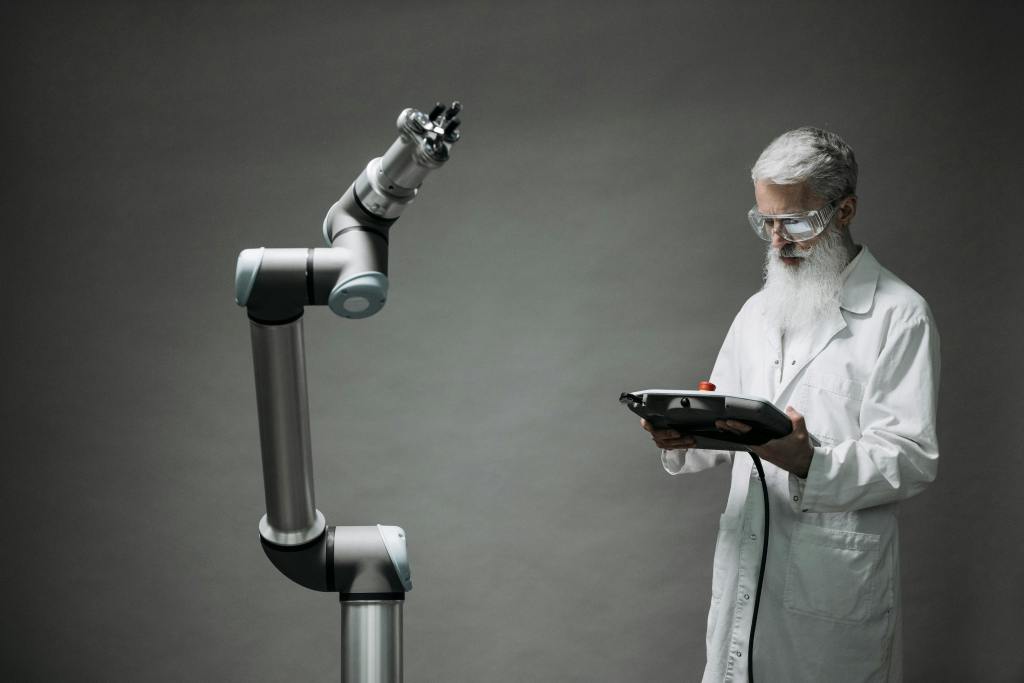
Creates and implements robotic systems; build, test and maintain robots that are efficient and safe

Software Developer
Designs programs that control robots; write test and maintain software that helps bring robots to life

Chemical Engineer
Work with pharmaceuticals, industrial chemicals or food processing; research and develop new process for chemical production
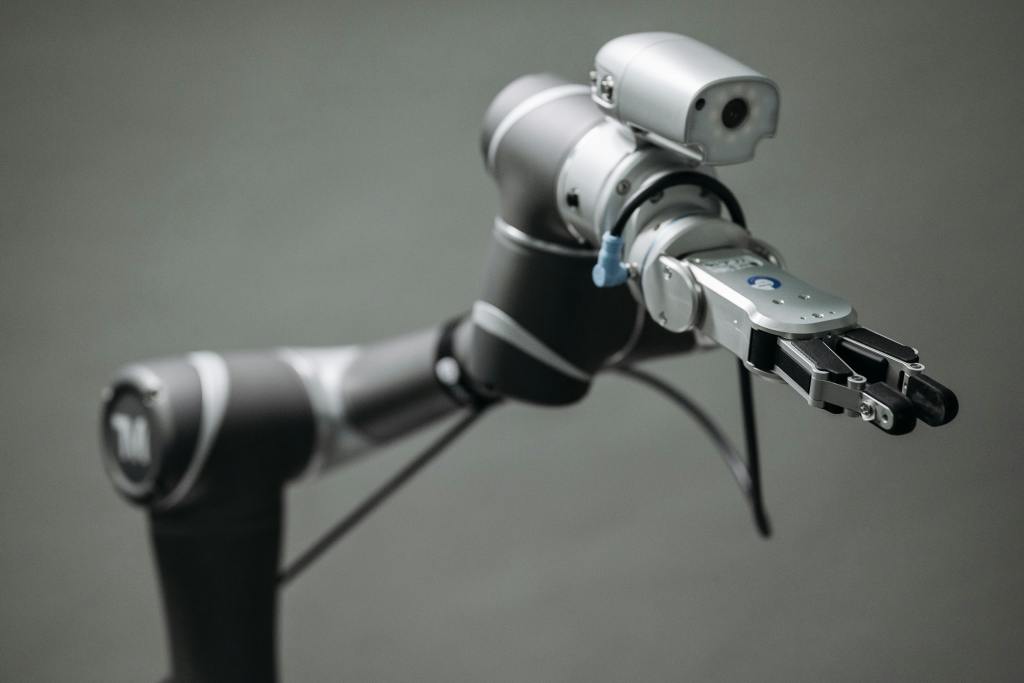
AI & Machine Learning
Engineer
Creates new algorithms that allow machines to learn and adapt without human direction

Robotics Sales Engineer
Uses knowledge to sell robotic systems to businesses and organizations
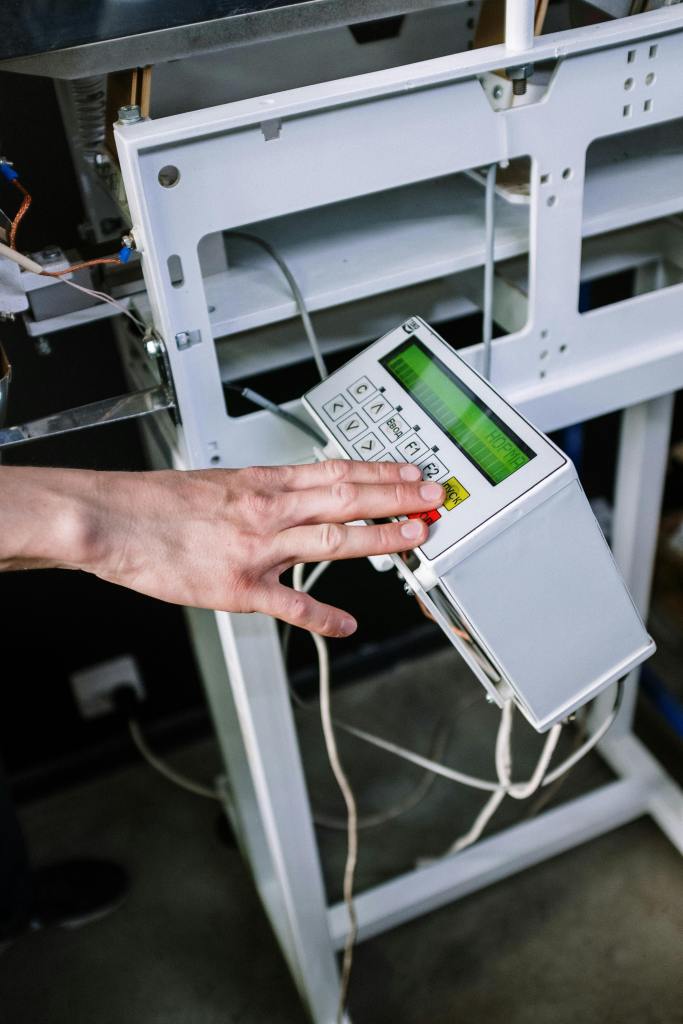
Control Systems
Engineer
Specializes in algorithms that control the movement of robots/ designs accuracy programs

Research Scientist
Explores new applications for for robotic technology; develop innovative solutions to problems
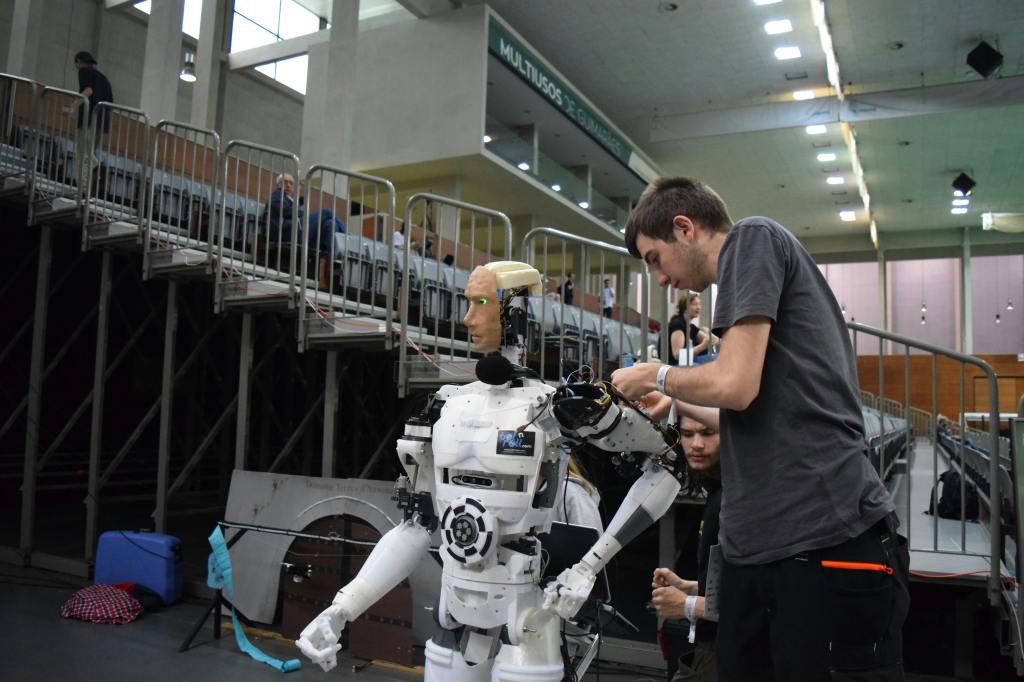
Robotics Technician
Ensures robotic systems operate smoothly and efficiently; installs, maintains and repairs robots