



Mechanical Sciences
4-H Model Rocketry Project
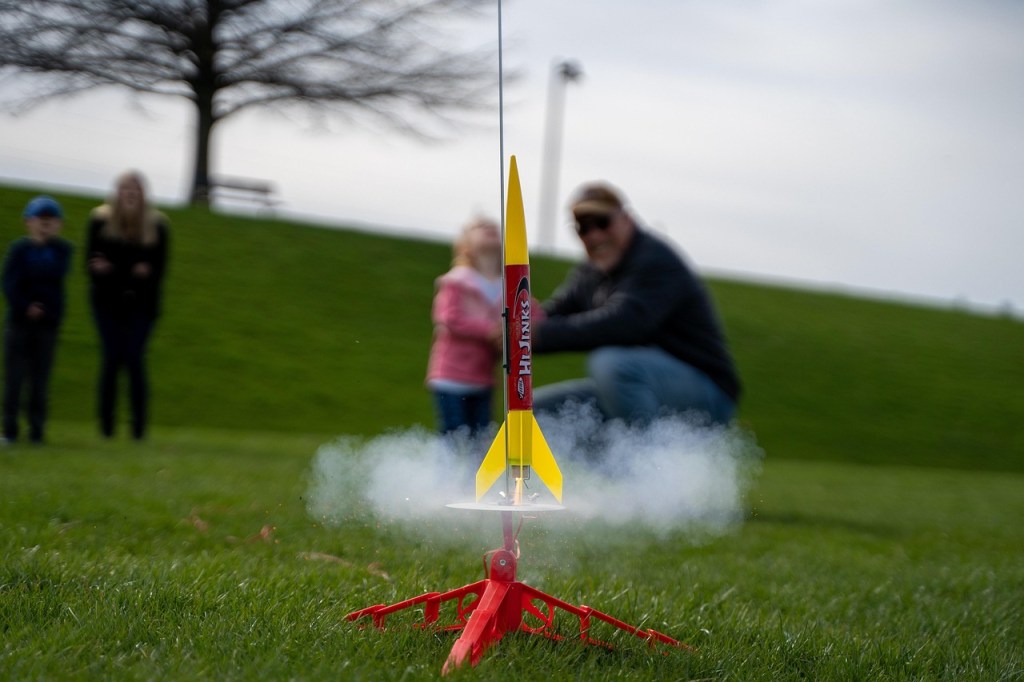
The Colorado 4-H Model Rocketry Project inspires youth to explore the science, technology, engineering, and math behind rocketry through hands-on activities.
Members learn how to safely design, build, and launch rockets while understanding the principles of flight, aerodynamics, propulsion, and stability. Early units focus on basic rocket construction, launch procedures, and safety guidelines, while advanced units cover more complex concepts such as multi-stage rockets, payloads, altitude tracking, and recovery systems. Participants also engage in record-keeping, project planning, and problem-solving, applying STEM knowledge to real-world experiments.
The program encourages teamwork, critical thinking, and creativity, preparing youth for careers in aerospace, engineering, and related fields.
Project Overview
UNIT 1
Introduction to Model Rocketry
Designed for all members who want an introduction to model rocketry.
Inspiring youth to:
- Understand the NAR Model Rocket Safety Code
- Learn basic parts and types of a model rocket and motors/engines
- Learn how to select and build a model rocket from a kit
- Learn the launching and recovery parts and procedures for rockets
- Complete various activities
UNIT 2
Construction & Flight of Model
Expands on Unit 1 and covers construction and flight of model rockets.
Inspiring youth to:
- Understand the forces of flight and Newton’s Laws.
- Learn design features of a model rocket including stability
- Understand tools and techniques needed for building model rockets
- Complete various activities
UNIT 3
Intermediate Model Rocketry
Designed for all members and uses and builds upon skills learned in Units 1 & 2.
Inspiring youth to:
- Learn multi-staging launch systems
- Learn rear and front engine boost gliders
UNIT 4
Advanced Model Rocketry
Designed for all members and uses advanced rocketry skills.
Inspiring youth to:
- Learn how to organize a model rocket club
- Learn engine types, classifications, and performance
- Learn how to fit a parachute
- Learn the art of payload launch
- Learn about rocket stability
- Learn how to build a wind tunnel
- Take aerial photographs
- Understand why you need cluster rockets
UNIT 6
Designer Model Rocketry
Designed for members 11-18 years old.
Inspiring youth to:
- Learn to create a design for a model rocket without using a kit
- Learn to write plans or blueprints for your design
- Learn to observe rocket stability, flight path, altitude, and troubleshoot problems
- Learn to improve your personal rocket design
Official Project Materials
Materials & Curriculum
Member Resources

Find Your County
Counties play a crucial role in 4-H by providing a platform for young people to learn and grow.
Counties facilitate the delivery of 4-H programs that are of particular interest in their area and qualified, compassionate adult leaders run local clubs to support our youth 4-H members.
To find out if this project is supported locally, contact your local extension office.
Upcoming Events
Currently there are no events scheduled at this time associated to this page. Please check back for the latest events as they are scheduled.
Project Tips
- For Units 3, 4 and 6, the completed manual should be added in back of the e-record in a binder/notebook
- All units are progressive and should be done in order
- Enter your project in the county fair

Paint Tips
- Apply sanding sealer and sand using a 320-grit increasing to 600-grit for fine finishes on balsa and basswood fins. For plywood fins start with 180- or 280-grit sandpaper.
- When applying primer and sand repeat two or three times.
- Apply spray paint with several light coats, using a spray handle for spray cans.
- Apply final coat of clear coat enamel.
- Do not use decals that soak in water.
Launch Tips
- Make sure batteries are in good condition.
- Make sure micro-clips do not touch each other or any other metal.
- Don’t forget the recovery wadding.
- Use the right size igniter plug; a plug that is too big will block out the oxygen.
- Be sure that the coated tip of the igniter is in direct contact with the engine propellant.
Judging Criteria
- Paint should be evenly applied and smooth
- Check nose cone for fit and surface
- Check fin alignment, smoothness, and fillet
- Check proper placement of launch lug
- Check recovery system and engine mount area
Careers
Manufacturing & Trade
Space vehicles, satellites, ground equipment; search, detection, navigation, and guidance systems

Government & Research
Work at military, civilian, and federally funded research and development centers

Data and Information
Collect, analyze and report data; telecommunications, broadcasting, software, computer systems
Maintenance &
Inspections
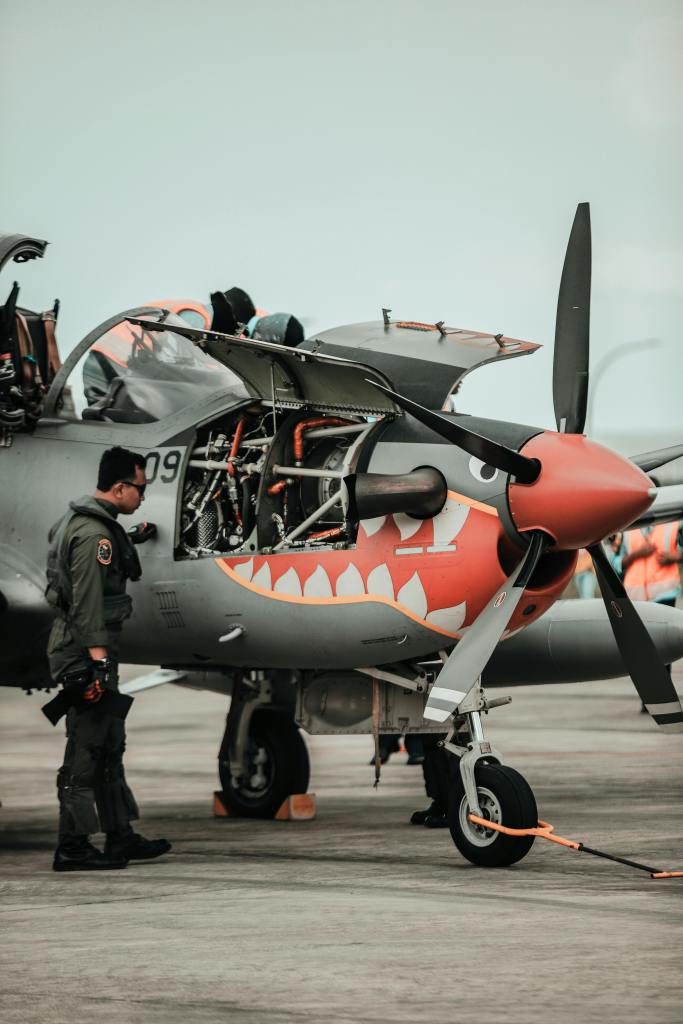
Working on the engine, the airframe, or the electronic systems; ensuring safety
Construction/Assembly
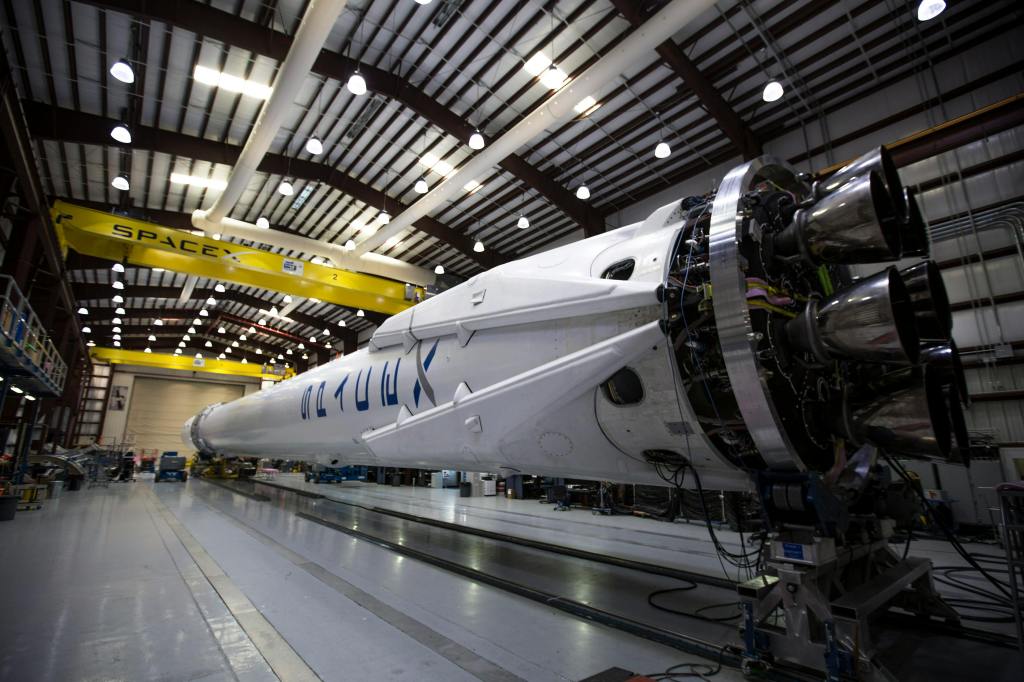
Building space facilities, observatories, planetariums, educational facilities
Aircraft or Spacecraft
Design/Engineering
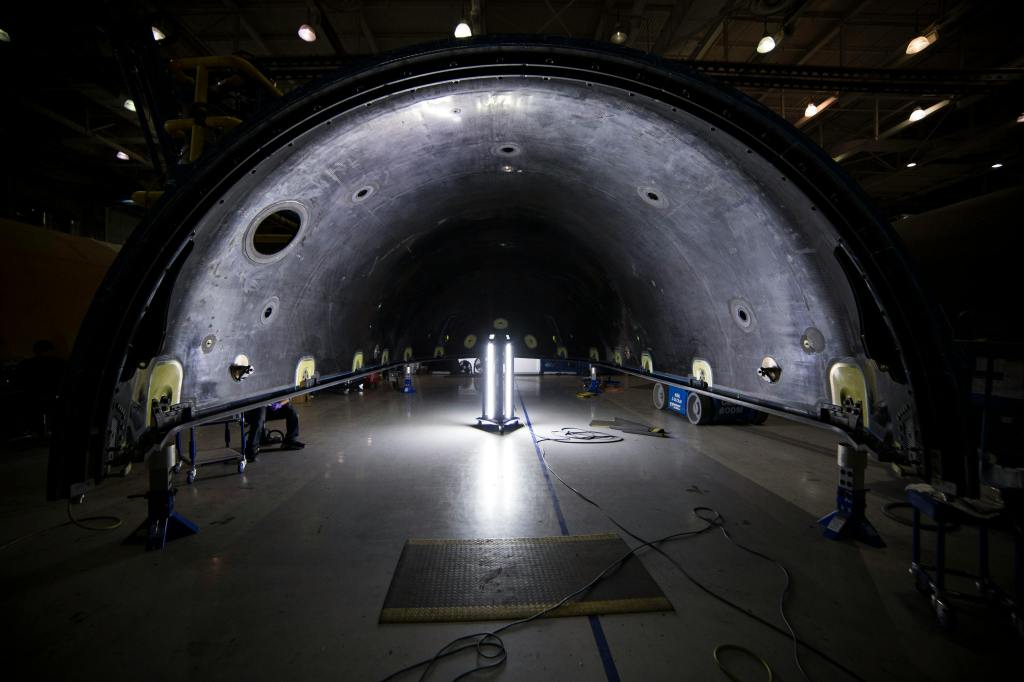
Use science and math to design and test aircraft and spacecraft

Astronaut/Pilot/Air
Traffic Control
Fly to space, in the military, for major carriers; coordinate air traffic

Business or Marketing
Aviation businesses need help with aircraft dispatch, marketing, logistics, education, research, and airport management