



Communication, Arts & Leisure Sciences
4-H Leathercraft Project
The Colorado 4-H Leathercraft Project teaches youth the art and techniques of working with leather while developing creativity, craftsmanship, and record-keeping skills.
Unit 1 introduces leather history, preparation, stamping, lacing, stitching, and finishing. Unit 2 focuses on beginning leather carving using tools like swivel knives, shaders, and bevelers, plus double loop lacing. Unit 3 builds intermediate carving skills, including traditional, inverted, and silhouette carving, finishing techniques, and advanced lacing and stitching. Unit 4 advances carving with pictorial, figure, and decorative techniques, along with dyeing, color shading, antiquing, and finishing. Unit 5 advances stamping with more complex designs. Unit 7 explores the world of braiding and un-tooled leather. Unit 8 is for those who want to utilize multiple techniques for mastery, and Unit 9 is for those who want to learn to make or rebuild saddles.
Check out the instructional videos that accompany each chapter of the Colorado 4-H Leathercraft Manual!

Project Overview
UNIT 1
Intro to Leathercraft & Stamping
Designed for members 8-18 years old.
Inspiring youth to:
- Learn the history, sources, structures, tanning techniques, and definitions related to leathercraft
- Learn to prepare leather for stamping, create a design and use stamping tools
- Learn basic methods of lacing and stitching
- Learn basic leather finishing
- Keep accurate records of costs and skills
UNIT 2
Beginning Leather Carving
Designed for members 8-18 years old.
Inspiring youth to:
- Practice skills learned in Unit 1
- Learn traditional carving
- Learn use of a swivel knife, camouflage tool, pear shader, beveler and veiner, seeder, backgrounder, and decorative cuts
- Learn double loop lacing
UNIT 3
Intermediate Leather Carving
Designed for members 8-18 years old.
Inspiring youth to:
- Practice skills learned in previous units
- Learn the major skills: traditional carving, inverted carving, or silhouette carving techniques
- Learn to use clear finish, staining/antiquing, two tone finishes, and background dying
- Learn more skills for lacing and hand stitching
UNIT 4
Advanced Leather Carving
Designed for members 8-18 years old.
Inspiring youth to:
- Advance your skills in advanced traditional carving, figure carving, pictorial carving, decorative swivel knife carving, embossing or filagree work
- Learn more about dyeing, color shading, antique/stain, and finishing techniques
UNIT 5
Advanced Stamping
Designed for members 8-18 years old.
Inspiring youth to:
- Practice skills learned in previous units
- Learn about advanced stamping design with minimal carving
- Learn about dyeing, color shading, antique/stain, and finishing techniques
UNIT 6
Sewing Leather
Designed for members 8-18 years old.
Inspiring youth to:
- Learn sewing construction skills
- Learn more about hand sewing or machine sewing techniques
UNIT 7
Braiding and Un-Tooled Leather
Designed for members 8-18 years old.
Inspiring youth to:
- Learn more about un-tooled leather using one or more of these leather art techniques: lacing, braiding, expanding, sculpting, or molding leather
UNIT 8
Master Leathercraft
This is an advanced unit.
Inspiring youth to:
- Advance skills learned in previous units
- Learn to apply multiple techniques (two or more) with skill in a single advanced project
UNIT 9
Making and Rebuilding Saddles
This is an advanced unit.
Inspiring youth to:
- Advance skills learned in previous units
- Apply techniques to a completed saddle (a new build or rebuild of existing saddle)
- You will need to find additional resources to help you with this project
Official Project Materials
Materials & Curriculum
Member Resources

Find Your County
Counties play a crucial role in 4-H by providing a platform for young people to learn and grow.
Counties facilitate the delivery of 4-H programs that are of particular interest in their area and qualified, compassionate adult leaders run local clubs to support our youth 4-H members.
To find out if this project is supported locally, contact your local extension office.
Upcoming Events
Currently there are no events scheduled at this time associated to this page. Please check back for the latest events as they are scheduled.
Project Tips
- It is suggested (not required) to do Units 1-3 in order. Units 4-9 may be taken in any order, and members may exhibit in more than one unit, provided the member is enrolled in and has completed the requirements of each of the units. The primary skill being developed (the new technique you’re learning) in the project will help determine which unit to exhibit in.
- You can re-enroll in the same unit, as long as your exhibit shows new skills learned.
- Pictorial carvings are pictures and figure carvings are realistic animal and human figures.
- Put your name, age, and county on the back of your exhibit board or individual exhibit.
- Indicate in your e-record whether articles are made from a kit or are self-cut and designed by the member.
- A set means a collection of items considered together and usually having something in common, such as six matching coasters or a belt and buckle with matching designs.
- It is recommended that you practice techniques on a scrap piece of leather before working on your final project.

Careers

Saddle/Tack Maker or Repair
Someone who custom builds and/or repairs

Leathersmith
Creates various products such as furniture, handbags, auto upholstery, & personal accessories from leather
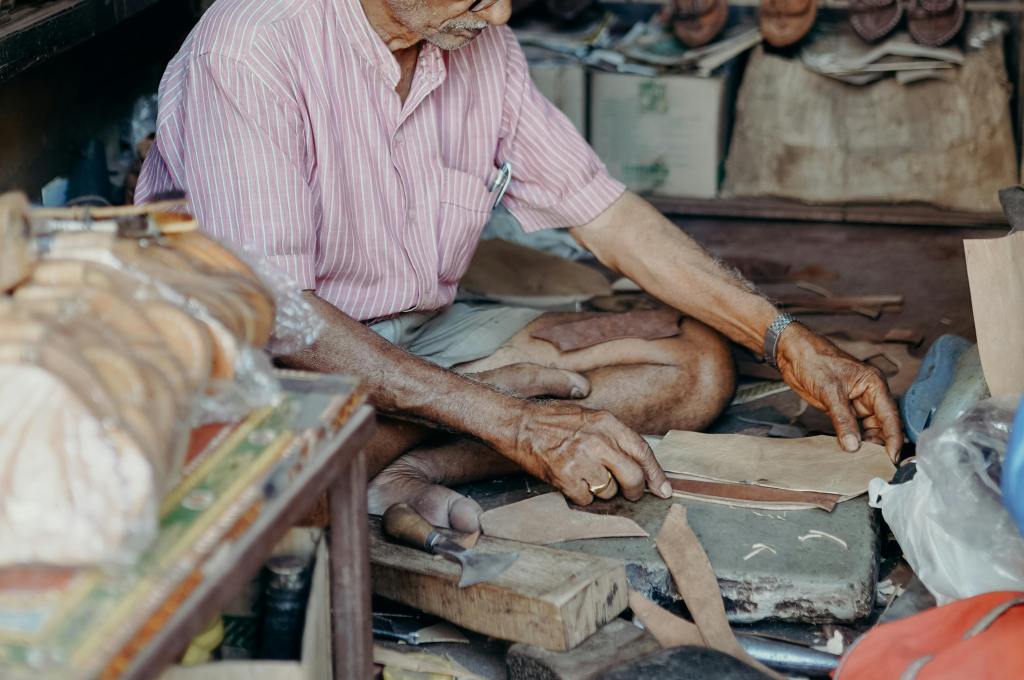
Leather Trader
Works with the leather supply chain

Sales
Assist customers with their purchases based on experience and knowledge of the trade

Business
Manage individual businesses to sell leather products
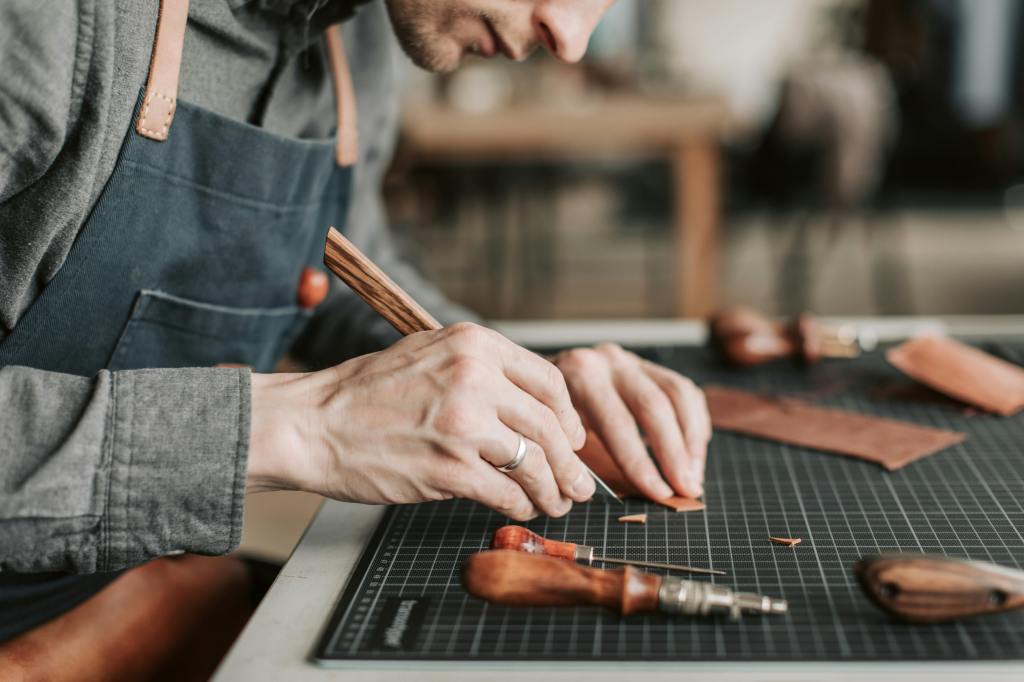
Leather Cutter
A leather cutter works with a variety of materials to layout, mark, and trim a pattern for articles such as furniture or garments
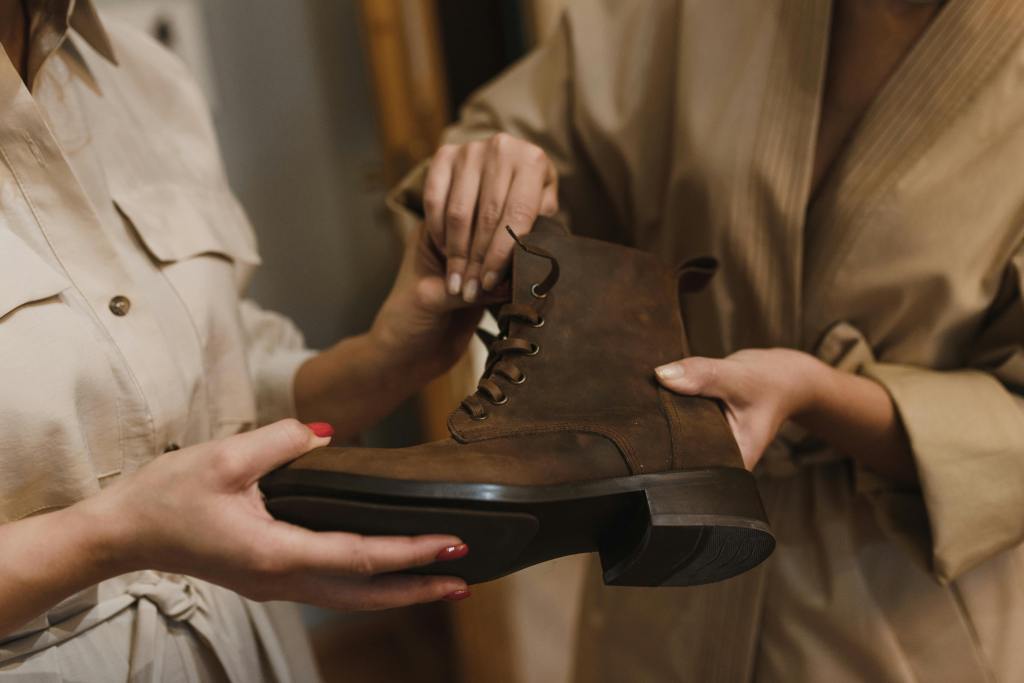
Boot/Shoe Maker
Designing, making, and/or repairing boots and shoes with leather
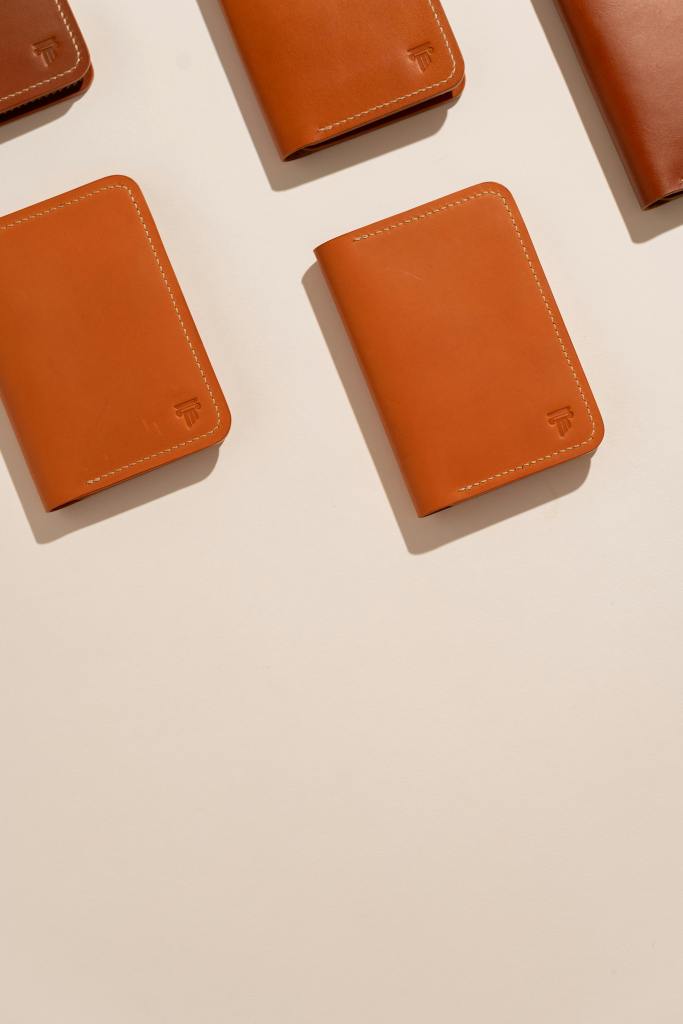
Leather Designer
Utilizing different techniques to design and market new leather products