



Family Consumer Sciences
4-H Foods and Nutrition Project
The Colorado 4-H Foods and Nutrition Project teaches youth cooking, nutrition, and food preservation skills.
Units 1-4 focus on beginner cooking, kitchen and food safety, basic food preparation, cookies, breads, muffins, rolls, cakes, pies, and party planning or celebration meals. Units 5-7 cover specialty foods like outdoor open-fire cooking, experimenting with herbs and slow cookers, and ethnic or foreign foods exploring dietary patterns, customs and recipes from other cultures. Food Preservation units teach safe methods for drying, freezing, and canning fruits, vegetables, tomato products, salsa, pickles, and meats, with advanced pressure canning for older members.
4-H members in Foods and Nutrition projects may participate in Creative Cooks contests at the county or state level.

Project Overview
UNITs 1-4
Cooking Series
Designed for members 8-18 years old who are beginner cooks.
Inspiring youth to:
- Learn kitchen and food safety
- Learn basic food preparation and nutrition
- Make yeast breads and shortened cakes
- Learn how to cook with herbs and spices
- Learn how to cook with slow cookers
- Have an in-depth exploration of outdoor cooking, party planning and ethnic foods
UNITs 5, 6 & 7
Specialty Foods
Designed for members 8-18 years old in Unit 5 and for members ages 11-18 in Units 6 and 7.
Inspiring youth to:
- Master cooking over an open fire
- Learn dietary patterns and cooking techniques from other cultures and regions of the world
UNITs 1-4
Food Preservation
Units 1-3 are for all ages. Unit 4 is for older members interested in food preservation.
Inspiring youth to:
- Learn how to safely dry and freeze foods while maintaining top quality
- Learn how to safely preserve the following by boiling water canning
- Fruits and fruit spreads
- Tomatoes
- Salsa
- Pickles
- Learn how to safely preserve the following by pressure canning
(Pressure Canning is for Intermediate and Senior ages only)- Tomato products
- Vegetables
- Meats
Official Project Materials
Materials & Curriculum
Member Resources

Find Your County
Counties play a crucial role in 4-H by providing a platform for young people to learn and grow.
Counties facilitate the delivery of 4-H programs that are of particular interest in their area and qualified, compassionate adult leaders run local clubs to support our youth 4-H members.
To find out if this project is supported locally, contact your local extension office.
Upcoming Events
Currently there are no events scheduled at this time associated to this page. Please check back for the latest events as they are scheduled.
Food Preservation Tips
- All foods must have been preserved since the last state fair by the 4-H member.
- All preserved foods must follow CSU Preserve Smart or USDA recommendations. Find safe, tested recipes at the National Center for Home Food Preservation.
- Tested recipes after 1994 must be used. Include the recipe for your exhibit item in your e-Record and cite the source of your recipe.
- Be sure to label each of your canned products with the correct information. Jars showing leakage or spoilage will not be judged.
- Standard jars with no chips or cracks must be used (either Ball or Kerr brand). All jars must have new two-piece lids. Re-useable lids and one-piece lids are not allowed.
- Loosened screw bands should be used during transit to and from fairs.
- No decorative storage containers which have a rubber seal will be accepted for canning exhibits.
- Bulging lids or leaking jars are a sign of spoilage for canned goods.
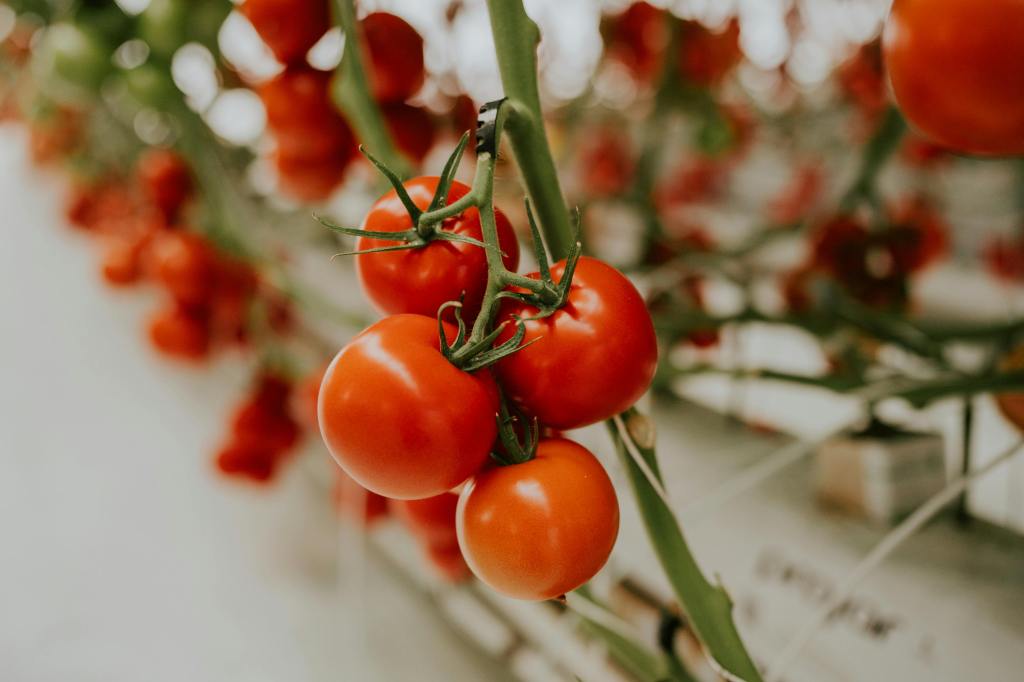

Food Safety Tips
When preparing food for your project, follow these tips to maintain food safety.
- Do not prepare food while sick or ill.
- Tie your hair back. Use a hair tie, hat, or bandana to keep hair from falling into food.
- Wash hands in warm, soapy water before and after handling food.
- Clean countertops and working surfaces before and after preparing food.
- Do not lick fingers or utensils while preparing food.
- Wash fruits and vegetables under running water before use.
- Do not double-dip utensils by putting spoons or utensils back into food after using
them for tasting. - Follow all instructions in recipe
More Food Safety Tips
- Clean jars, lids, and screw bands before use
- Wash jars, lids, and screw bands with warm, soapy water.
- No need to pre-heat canning jar lids.
- Adjust recipes for high elevation.
- Don’t forget to adjust the recipe for high elevation.
- Use Preserve Smart to find processing adjustments for your elevation.
- Remember to use the proper equipment, the required processing time, and to follow the recipe.
- If food looks spoiled, foams, or has an off odor, discard it.
Cooking Judging Criteria
Choose from a variety of classes depending on the skills learned in that unit
- Unit 1: No-bake bars and cookies, coffee cake, or traditional cookies
- Unit 2: Quick breads, scones and muffins
- Unit 3: Shortened cakes, yeast rolls, or creative yeast breads
- Unit 4: Flatbread, double crust pie or celebration meals.
Careers
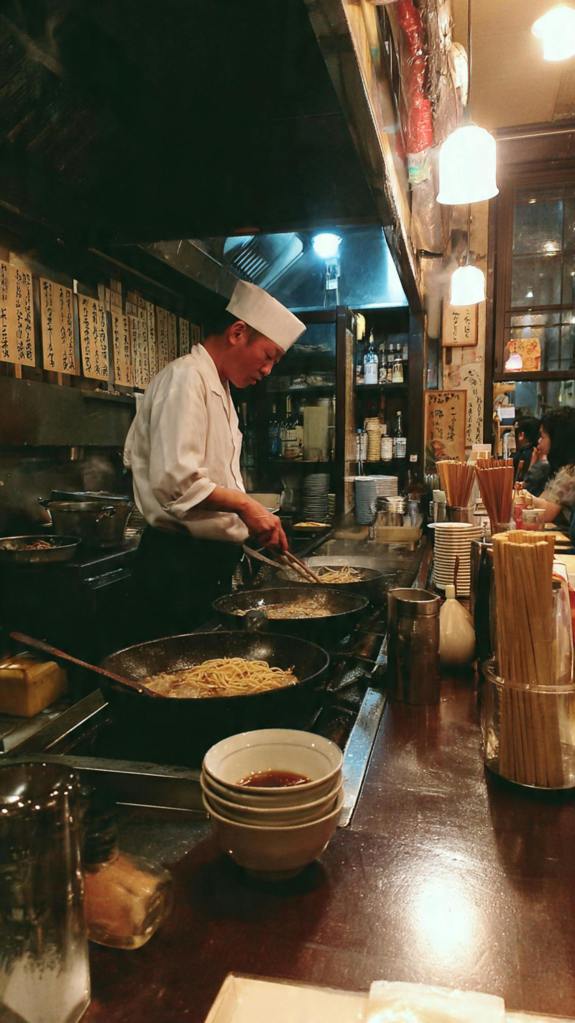
Chef
Prepare foods and pastries for consumption by others
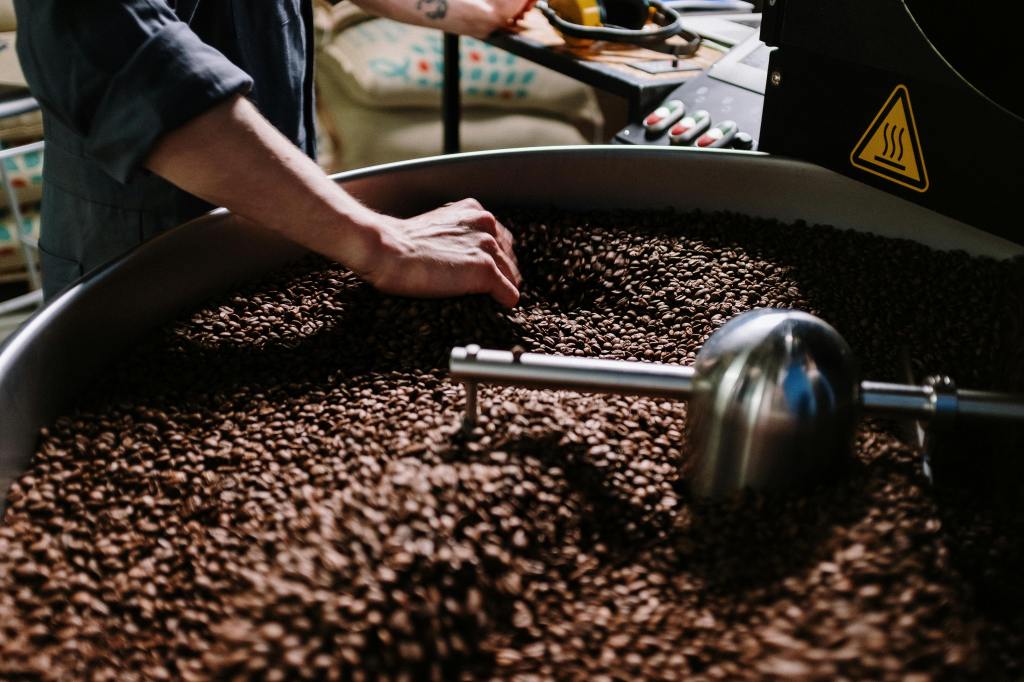
Quality Control
Work with producers and manufacturers to ensure food safety and quality for consumers

Food Inspector
Inspect facilities for food safety violations, educate others to prevent foodborne illnesses

Retail/Marketing
Market and sell food or food-related products to producers and consumers

Dietician/Educator
Educate others in food nutritional value, food preparation, preservation, safety, presentation, business and more
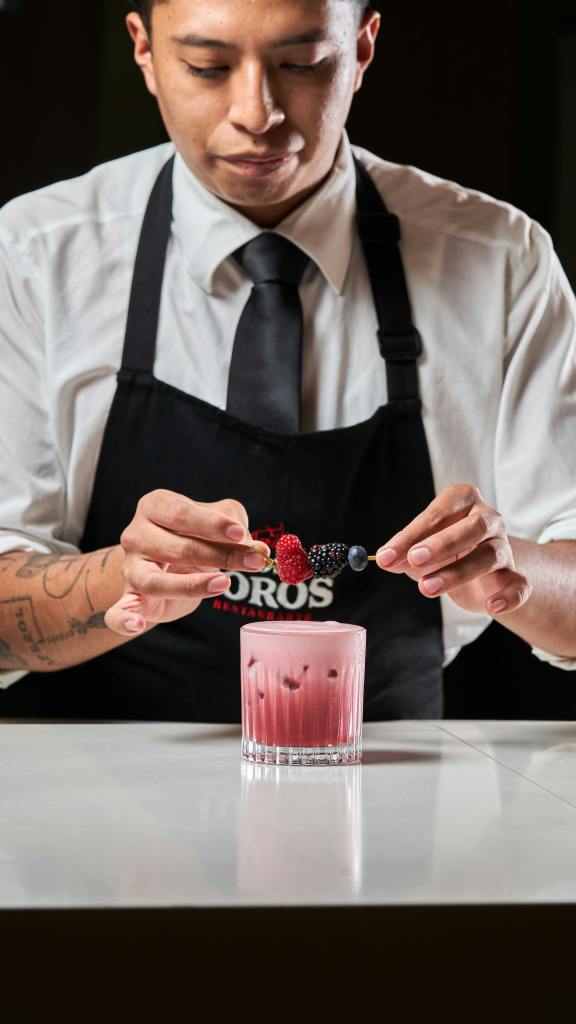
Supervision & Management
Management Provide oversight of food production facilities or restaurants
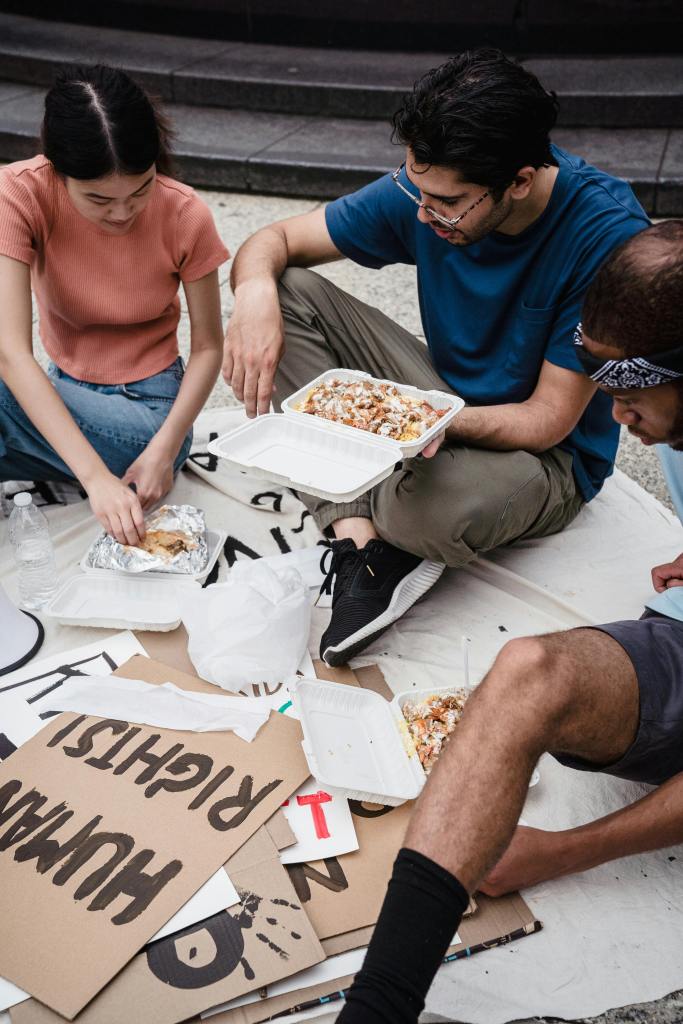
Advocacy
Provide information and resources for food security, production practices, and awareness
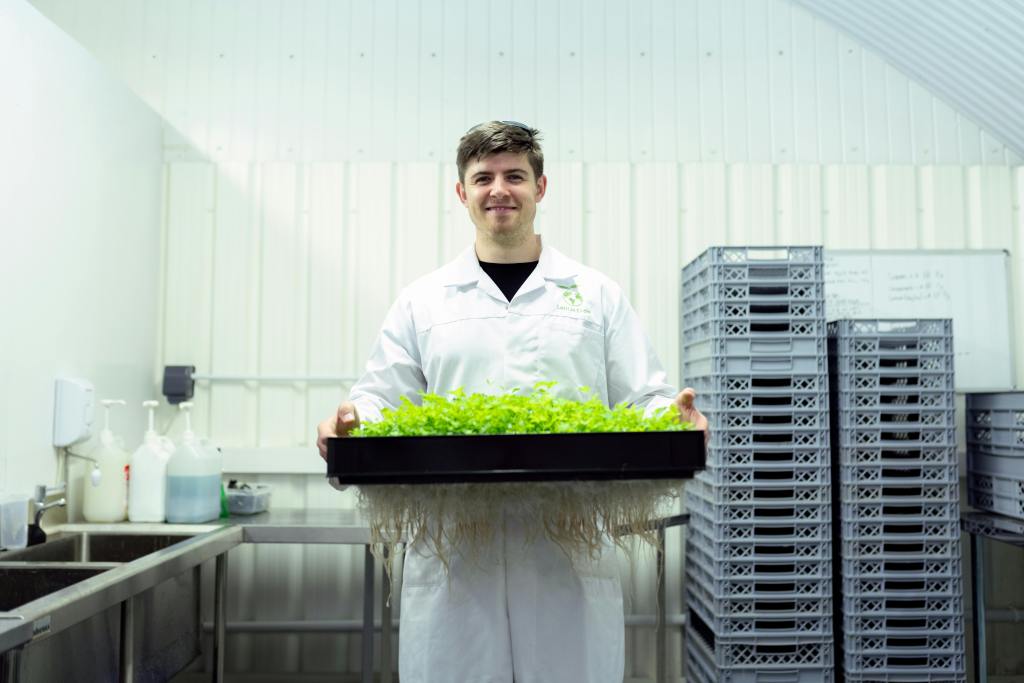
Food Scientist
Use chemistry, biology, and other sciences to research and develop new food products