



Natural Resources
4-H Entomology Project
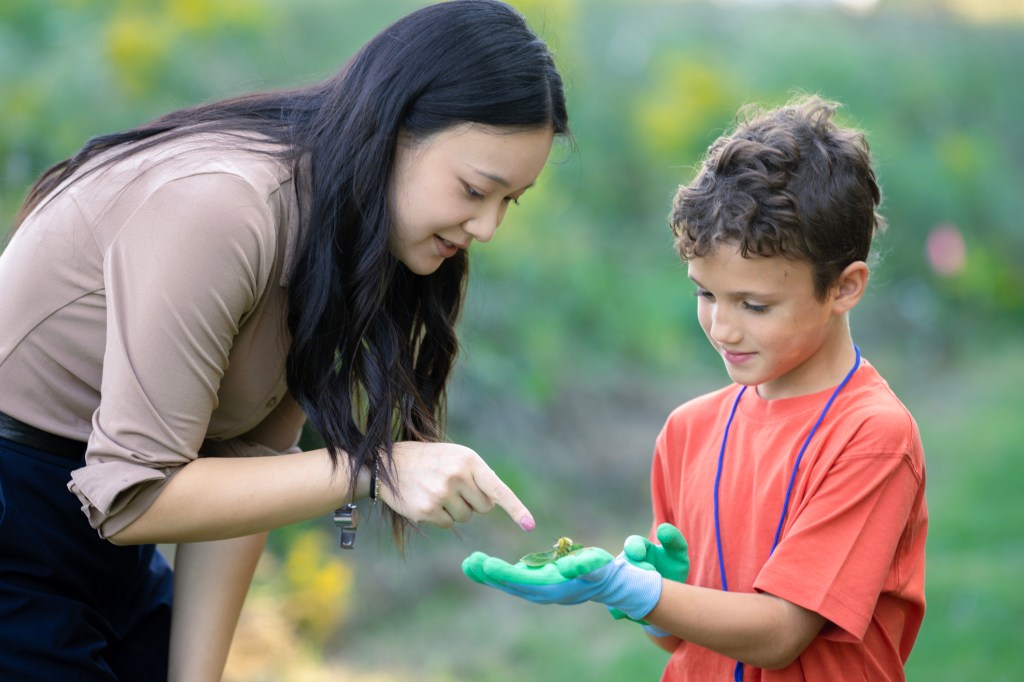
The Colorado 4-H Entomology Project introduces youth to the study of insects at increasing levels of complexity.
In Level 1 (Grades 3-5), participants learn insect anatomy, collect or display insects, construct traps, observe behavior, explore beneficial and harmful insects, and study biodiversity and integrated pest management. Level 2 (Grades 6-8) builds on these skills by learning advanced trapping methods, identifying insect orders, attracting butterflies, studying metamorphosis, and exploring invasive species and forensic entomology. Level 3 (Grades 9-12) emphasizes career exploration, scientific research using the scientific method, creating dichotomous keys, and pursuing deeper investigation into specialized entomology topics.
Project Overview
UNITs 1-2
Level 1: Teaming With Insects
Designed for members 8-18 years old. Grades 3-5.
Unit 1 – Display Board option
Unit 2 – Collection option
Inspiring youth to:
- Study the parts of an insect
- Make either an insect collection with between 25 and 75 adult insects (Unit 2)
– OR –
A display board (Unit 1) telling about some phase of your project work (equipment, activities, etc.) - Construct and operate a pitfall trap
- Study how insects communicate
- Learn about beneficial and destructive insects (invasive insects)
- Study the biodiversity of insects in different habitats
- Learn about integrated pest management
- Observe cricket behavior and communication
UNITs 3-4
Level 2: Teaming With Insects
Designed for members 8-18 years old. Grades 6-8. Builds upon Level 1.
Inspiring youth to:
- Learn more ways to trap insects
- Study the different orders of insects
- Learn which plants attract butterflies
- Make a metamorphosis wheel
- Study the stages of mosquito development
- Develop special insect collections
- Learn more about invasive species, integrated pest management, and forensic entomology
UNITs 5-6
Level 3: Teaming With Insects
Designed for older members who have completed other units. Grades 9-12.
Inspiring youth to:
- Explore entomology careers
- Use the scientific method to learn about insects
- Make a dichotomous key
- Seek out new resources and dig deeper into project topics
UNIT 7
Exploring with Insects, Advanced
Designed for members 8-18 years old.
Inspiring youth to:
- Explore entomology careers
- Expand your main and special collections
- Explore an advanced topic of your choice
- Create a display board or stand alone item sharing what you learn
Official Project Materials
Materials & Curriculum
Member Resources

Find Your County
Counties play a crucial role in 4-H by providing a platform for young people to learn and grow.
Counties facilitate the delivery of 4-H programs that are of particular interest in their area and qualified, compassionate adult leaders run local clubs to support our youth 4-H members.
To find out if this project is supported locally, contact your local extension office.
Upcoming Events
Currently there are no events scheduled at this time associated to this page. Please check back for the latest events as they are scheduled.
Project Tips
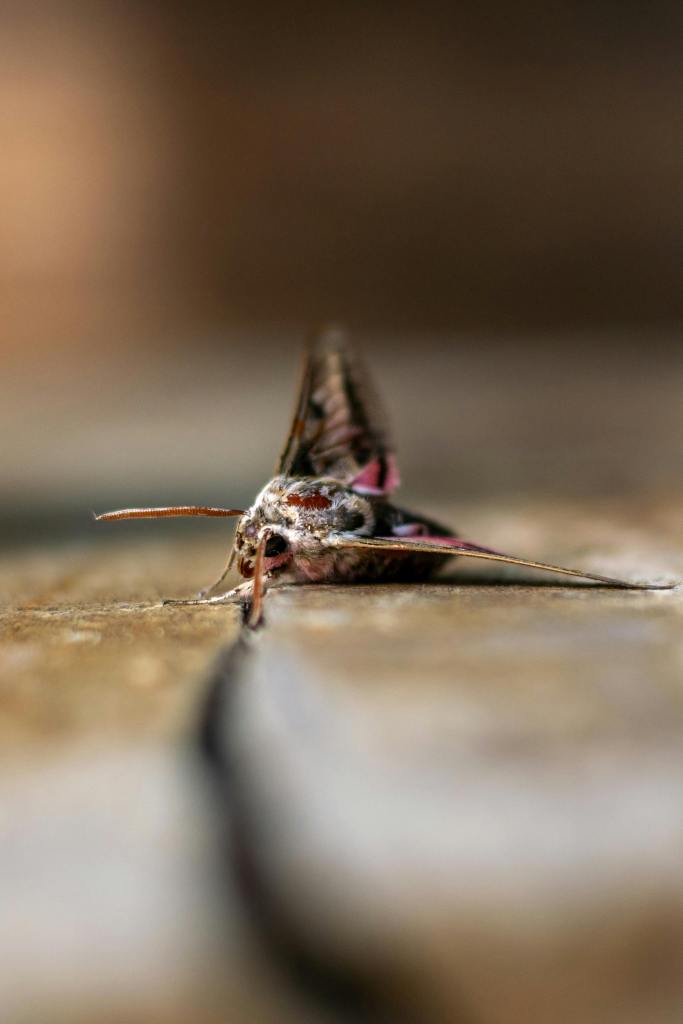
Exhibits are limited in insect specimens only. Insects have three body regions, three pairs of legs and one pair of antennae, and wings in adult stage. (Spiders have four pair of legs, two body regions and no antennae.)
Collection Tips
- Acceptable sizes of handmade Entomology Display Boxes include:
- 12” W x 16” L x 3” deep
- 12” W x 18” L x 3 ½” deep
- 18” W x 24” L x 3 ½ “deep
- Glass tops on display cases should slide to the top or side to prevent them from slipping out and breaking.
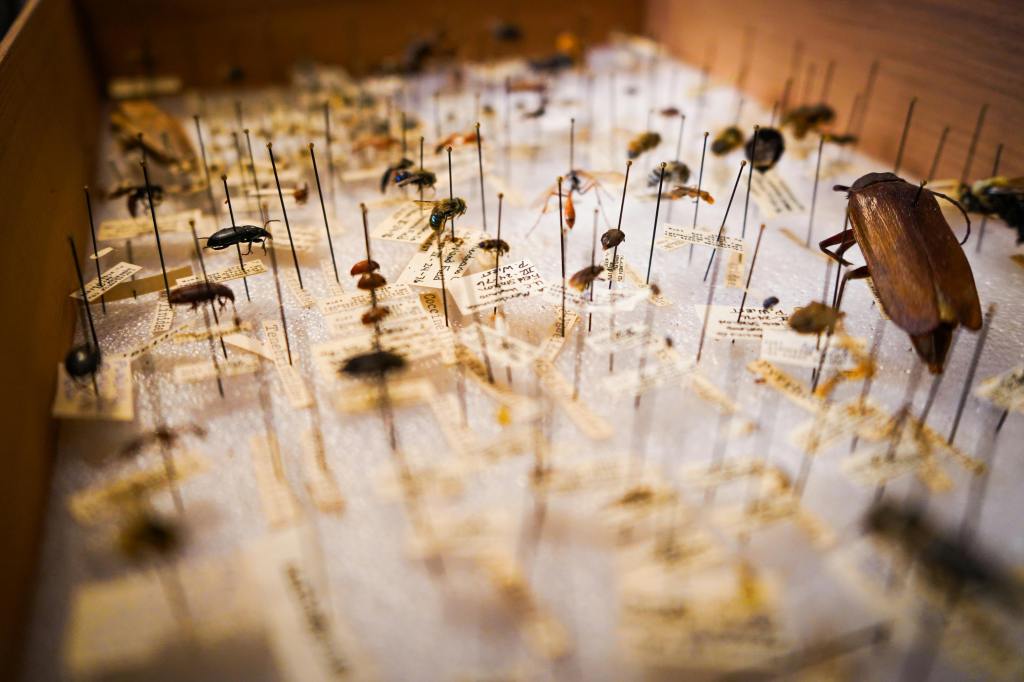
- Commercially available display cases are acceptable. Regular insect pins are required.
- The display must include date and location where insects were collected placed on labels attached to insect pins.
Display Board Tips
- The standardized display board size of 4 ft. x 3 ft.
- Represent some phase of your project work: a chart, special equipment, what you learned in project activities, etc.
Judging Criteria
- Neatness – readable, well-organized, clear, legible and understandable
- Creativity – originality, freshness, imagination
- A minimum of 12 activities completed in manual
- e-Record completed with photos & story
Careers
Natural Resource
Conservationist
Conservation of plants and animals around entomology
Research
To study the effect of insects on different environments, plants, animals, and consumers
Education
Teach others about gardening and insects (i.e. Extension educator or school faculty)

Inspection
Provide inspection services for plants and animals and producer quality to ensure consumer safety

Regulation
U.S. Customs & Border Patrol/Inspection Officer; Help prevent unwanted diseases and invasive species going in and out of the United States

Public Health
Reduce and prevent disease spread through insects into the general human population
Career Information Technology
Support individuals and businesses as they provide services utilizing technology

Consulting
Provides the opportunity for education and analysis surrounding insects