



Family Consumer Sciences
4-H Clothing Construction Project
The Colorado 4-H Clothing Construction Project teaches youth sewing skills and garment creation.
Units 1-2 focus on using a sewing machine, basic tools, simple patterns, and creating a simple garment. Unit 3 introduces advanced techniques, different fabrics, and experimenting with textiles. Advanced Clothing Construction (Unit 4) explores additional advanced sewing techniques. Sewing for Others (Unit 5) guides youth in making garments for others, taking accurate measurements, and adjusting patterns.
4-H Clothing Construction members may participate in Fashion Revue contests at the county, state, and national level if qualified.
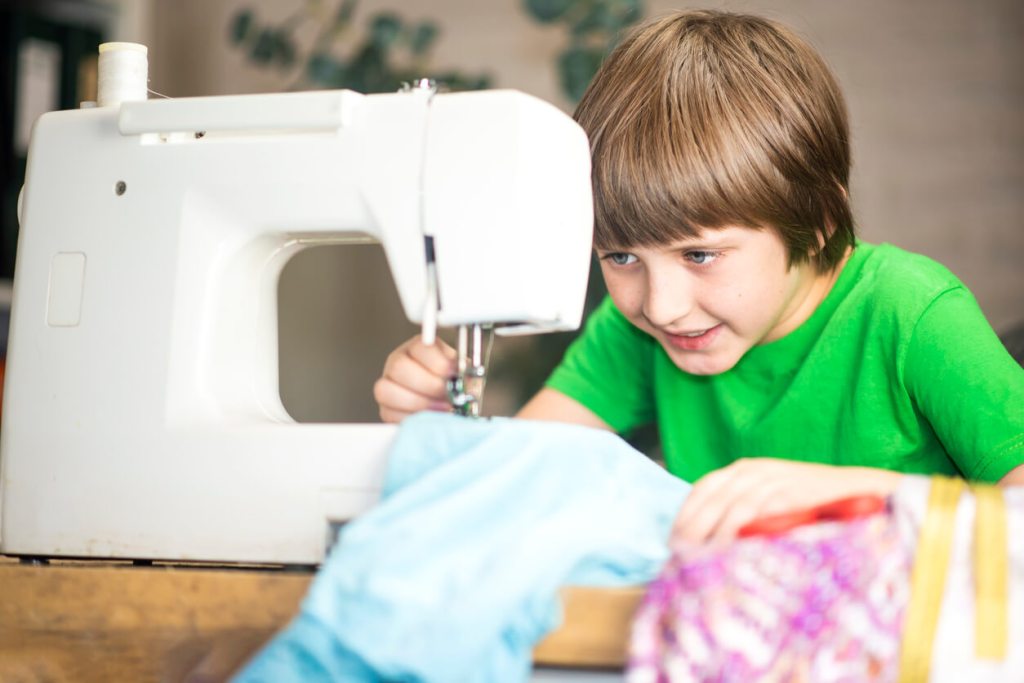
Project Overview
UNITs 1-2
STEAM
Designed for members 8-18 years old.
Inspiring youth to:
- Use a sewing machine
- Use a variety of tools
- Sew with simple patterns
- Build on sewing techniques
- Create a simple garment
UNITs 3-4
Advanced STEAM
Designed for members 8-18 years old in Unit 3 and members 11-18 years old in Unit 4.
Inspiring youth to:
- Use different fabrics
- Use more advanced techniques
- Experiment with different types of textile material
UNIT 5
Sewing For Others
Designed for members 8-18 years old.
Inspiring youth to:
- Make garments for others
- Learn to take accurate measurements
- Learn how to adjust patterns
Official Project Materials
Materials & Curriculum
Member Resources

Find Your County
Counties play a crucial role in 4-H by providing a platform for young people to learn and grow.
Counties facilitate the delivery of 4-H programs that are of particular interest in their area and qualified, compassionate adult leaders run local clubs to support our youth 4-H members.
To find out if this project is supported locally, contact your local extension office.
Upcoming Events
Currently there are no events scheduled at this time associated to this page. Please check back for the latest events as they are scheduled.
Beginner Tips
- Unit 1: Use a simple pattern (5 pieces max) without set-in sleeves, zippers, collars or button loops
- Simple seam finish, no sergers
- Clothing is defined as wearable
- Exhibit shall consist of 3 (or less) coordinated pieces. No accessory items. (i.e. shoes, etc.)
- Units 1 & 2: Follow required sewing techniques
- Unit 1 Fabric Selection: Firmly woven medium-weight cotton or at least 50% cotton blend
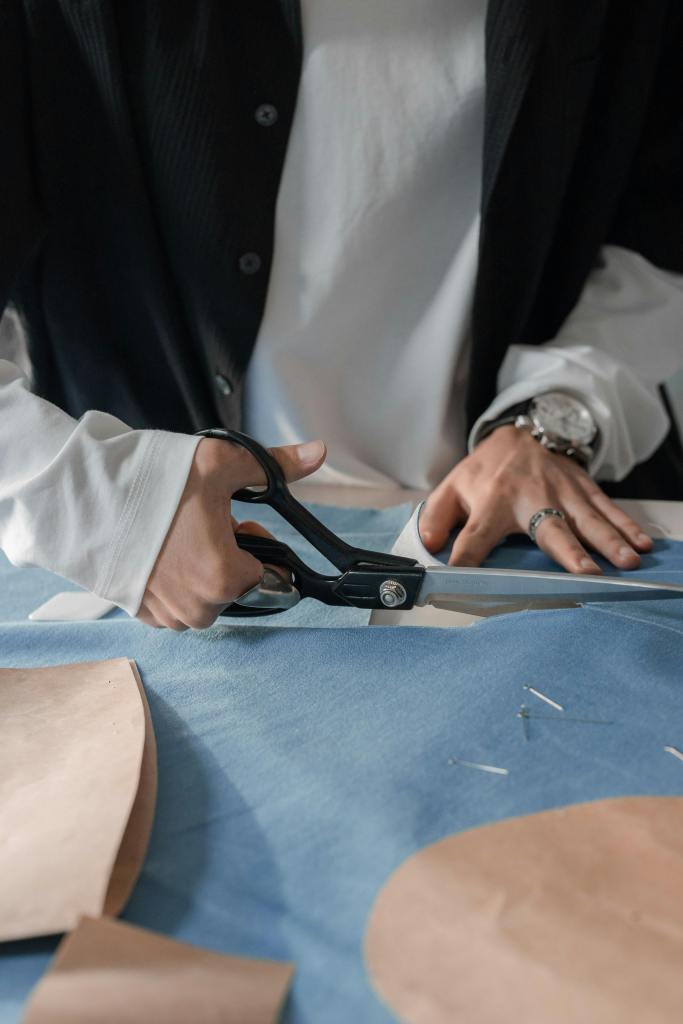
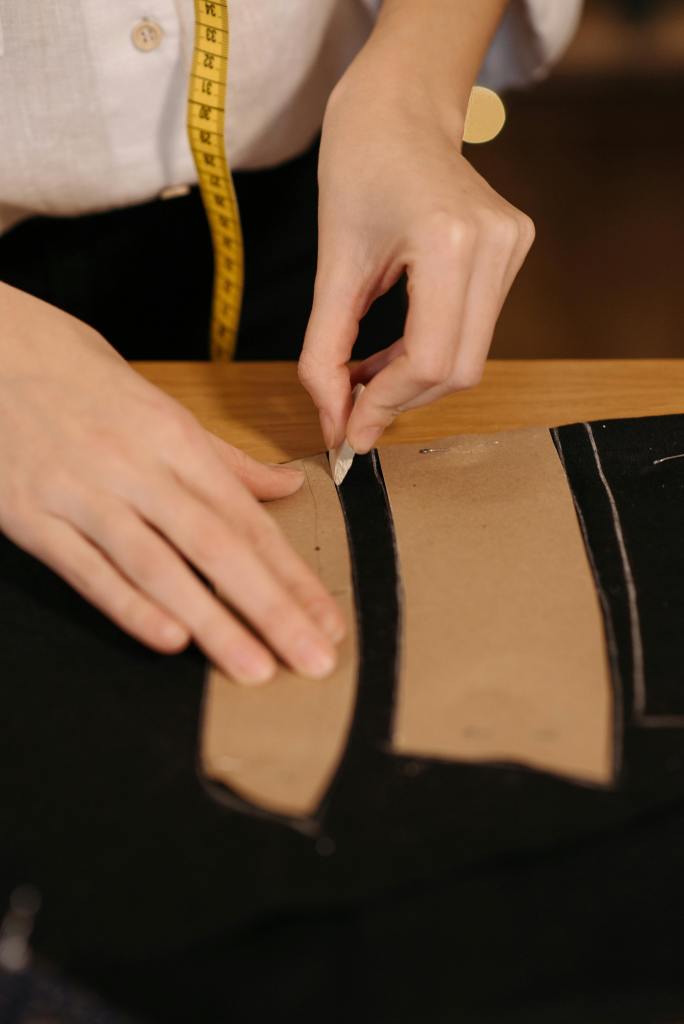
Advanced Tips
- Buttonholes and button loops are to be used in Unit 2 and above
- Serger seam finish may be used
- Unit 2: Include one or more of these techniques: set-in sleeves, zippers, collars, cuffs or button holes
- Unit 2 Fabric Selection: Any woven or knit fabric appropriate to design
- Unit 3: Demonstrate advanced sewing skills, such as: rolled hems, hand-picked zippers, princess seams, tailoring techniques (French or Hong Kong), non-woven interfacing, etc.
- Unit 3 Fabric Selection: 50-100 percent of the fabric selected. Example: 75% wool and 25% cotton
Exhibiting
- Evaluation is based on construction of the articles, garments and/or outfits.
- Pattern instruction sheet is required for all units and attached securely in binder.
- Label all garment pieces by using a piece of muslin and fabric pen or fabric label. Include: name, age, unit and county.
- Demonstrate and display information learned.
- Have fun telling your story.
- Exhibit at county fair.
Careers

Regulation
Help prevent illegal or contraband items from entering or leaving the United States
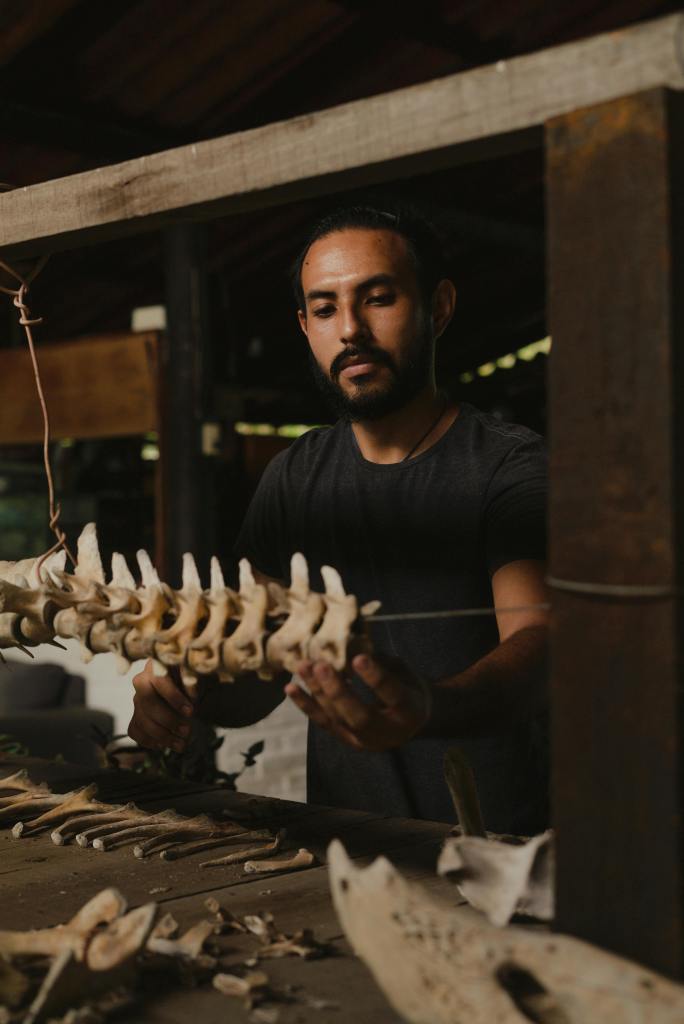
Crop / Animal
Researcher
Improve raw products for the textile and clothing industry
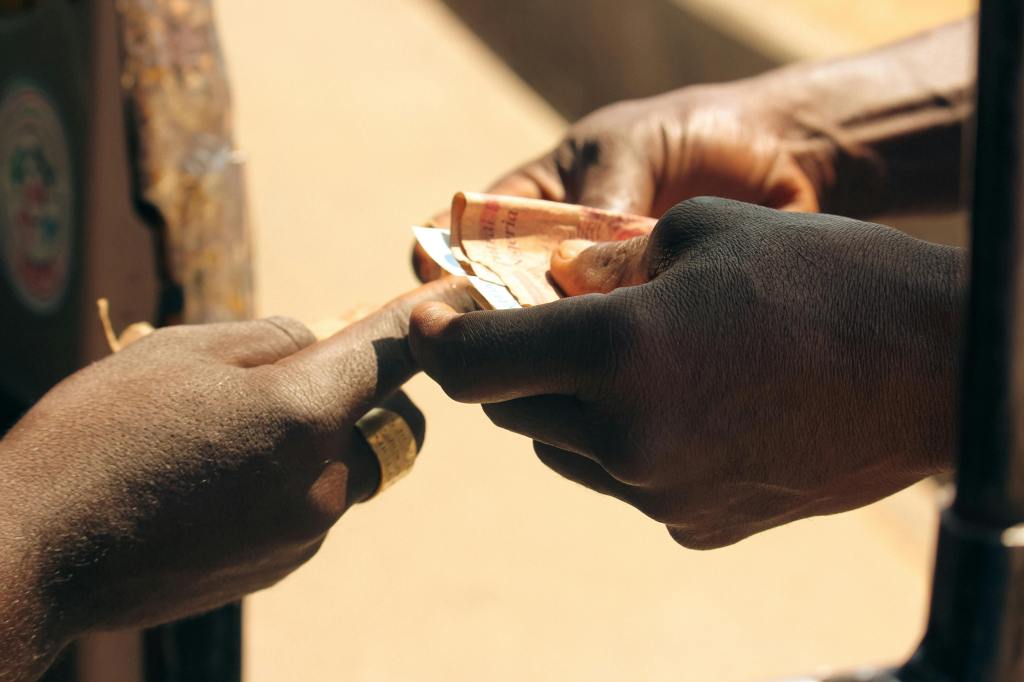
Economic Philanthropy
Work to provide opportunities where jobs are scarce and trade skills are needed for community support

Inspection
Provide services to ensure safety and quality throughout the production process

Labor Union / Workers
Rights
Provide consultation and oversight in the textile and clothing industry to ensure worker’s rights

Information Technology
Support the industry utilizing technological advances, especially for remote work/education
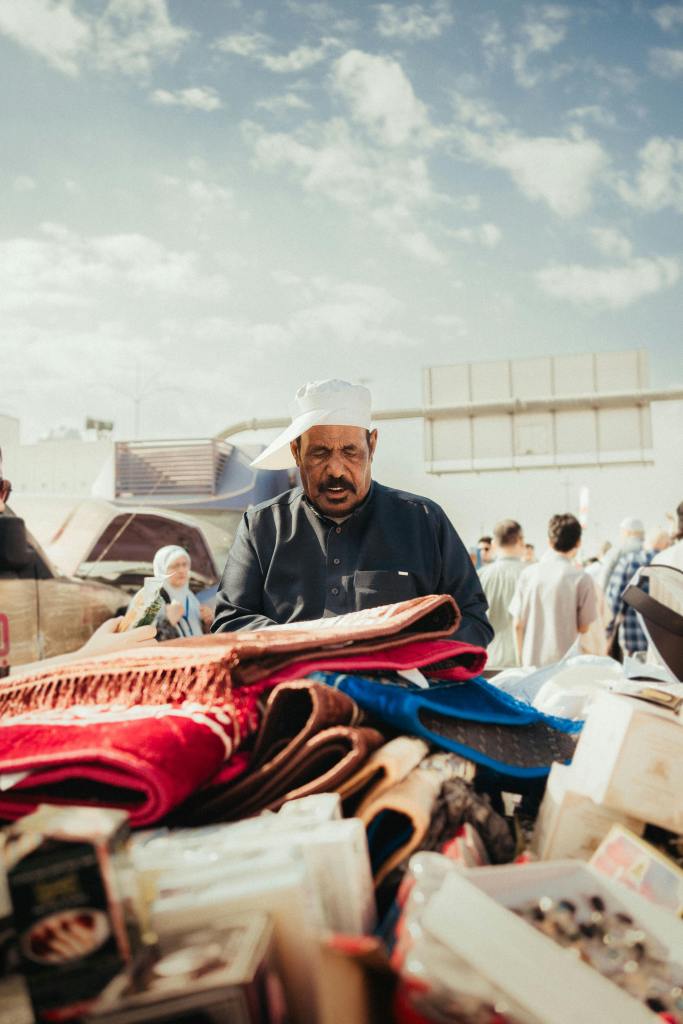
Trade Ambassador
Work with agricultural producers to secure supplies and materials and to market finished products

Market Analyzer /
Economics
Study
Study Market trends and identify need/wants of consumers and economic factors