



Animal Science
4-H Goat Project
The Colorado 4-H Goat Project teaches youth how to responsibly raise and care for goats while building valuable life skills.
Beginners learn about goat anatomy, nutrition, digestion, disease prevention, evaluation, and record keeping while focusing on producing safe, wholesome products. Intermediate members explore technology’s role in goat production, develop management, exhibition, and communication skills, and strengthen sportsmanship and goal setting. Advanced participants address current industry issues, mentor younger members, and explore leadership and career opportunities within the goat industry—all while building lasting friendships.
Livestock contests 4-H youth may participate in are Livestock Judging, Livestock Quiz Bowl, and Livestock Skill-a-Thon.

Project Overview
Project Options:
- Market Goat
- Breeding Goat
- Utility Goats
- Dairy Goats
- Fiber/Pygmy Goat
Starting Out – Beginner
Designed for members 8-18 years old.
Inspiring youth to:
- Learn how to properly care for a goat
- Identify the parts of a goat
- Learn about a goat’s digestive system
- Learn about different types of feed
- Identify common goat diseases
- Learn how to evaluate a goat
- Learn how to produce a safe, wholesome product
- Learn how to keep records
- Learn how to assume responsibility
Learning More – Intermediate
Designed for members 8-18 years old.
Inspiring youth to:
- Investigate technology’s impact on goat production
- Learn how to exhibit your animal
- Purchase, feed, and care for animals
- Learn about goal setting
- Gain knowledge of sound management practices
- Develop sportsmanship and public speaking skills
Exploring Depth – Advanced
Designed for members 8-18 years old.
Inspiring youth to:
- Learn how to deal with current issues related to raising goats
- Gain leadership skills by helping other learn about goats
- Explore career opportunities in the goat industry
- Build lifelong friendships
Official Project Materials
Materials & Curriculum
Member Resources

Find Your County
Counties play a crucial role in 4-H by providing a platform for young people to learn and grow.
Counties facilitate the delivery of 4-H programs that are of particular interest in their area and qualified, compassionate adult leaders run local clubs to support our youth 4-H members.
To find out if this project is supported locally, contact your local extension office.
Upcoming Events
Currently there are no events scheduled at this time associated to this page. Please check back for the latest events as they are scheduled.
Project Tips
- Barn or shed should have 15 square feet per animal.
- Fence should be minimum of 48 inches tall.
- Fresh and clean water should be available at all times.
- Market goats should gain .2-.3 pounds per day.
- Market goats should be born between Nov. 1st and March 1st depending on fair dates.
- Feed should contain 16-18% protein.
- Exercise by walking a minimum 15 minutes every day.
- The average cost per goat is $500-$600. This includes the purchase of the animal, feed for 4 months and show supplies.
- Sore mouth, ringworm and urinary calculi are three common health concerns in goats. Urinary calculi is the most critical and time sensitive of the goat diseases.
- Dehorning or tipping may be required depending on the rules of the show. Be sure to know this before going into the project.
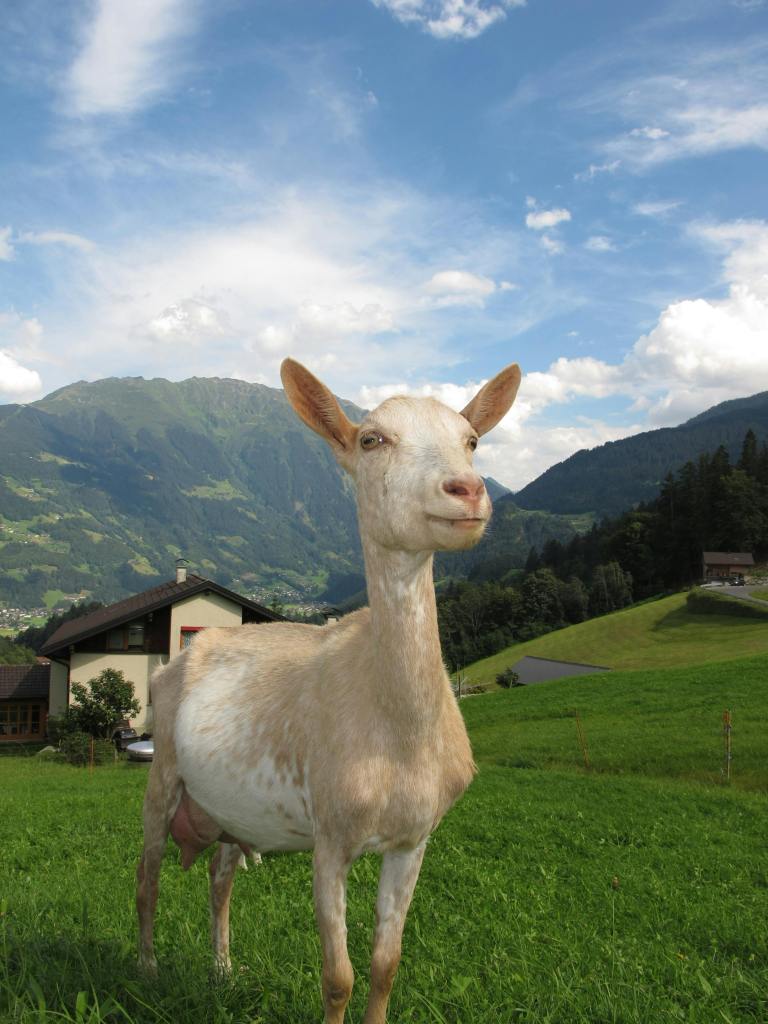
Careers
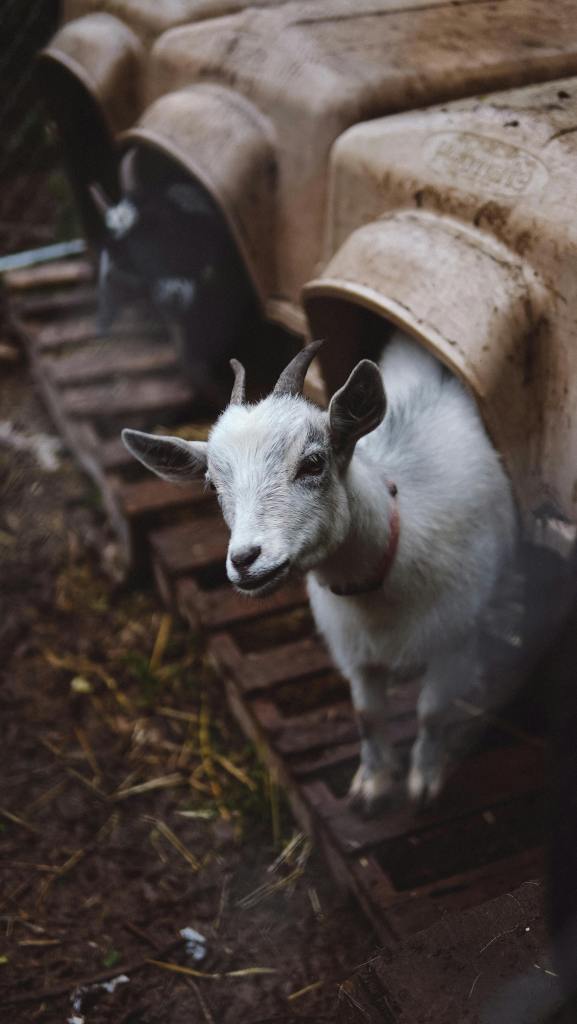
Goat Producer
Raise/ sell/ manage goat operations for breeding, shows, meat, milk and other goat by-products
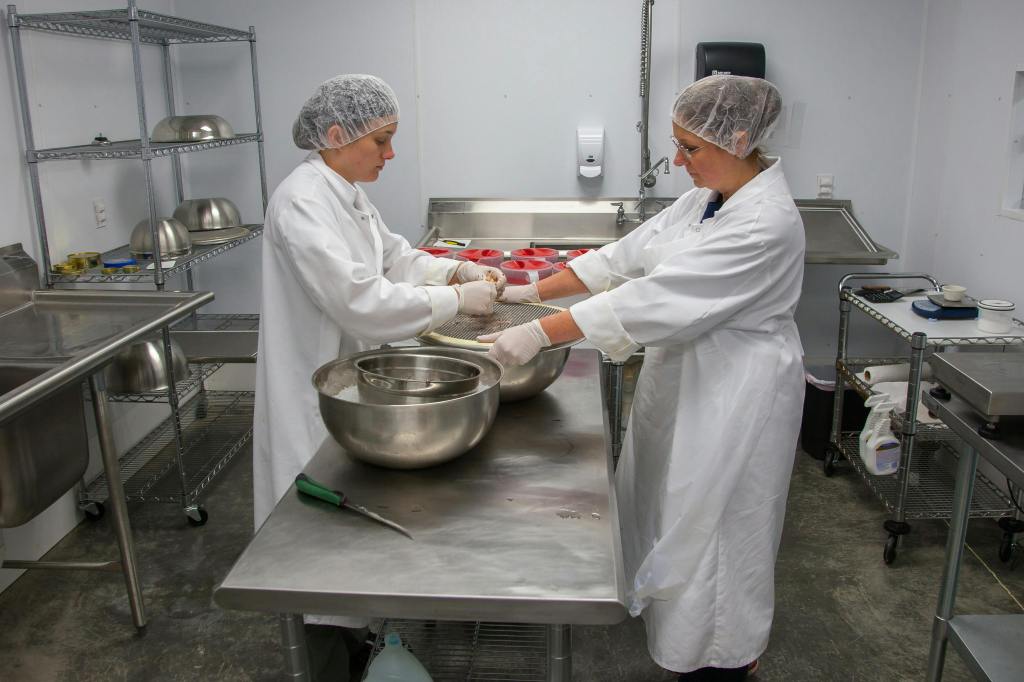
Food Safety
Work with producers and manufacturers to ensure goat products’ safety and quality

Health
Provide for prevention, treatment, and biosecurity management of goat herds; work as USDA/State Veterinarian to prevent disease outbreak

Research
To study the effect of nutrition, environment, genetics and more to improve goat production & ensure safe products

Advocacy/Political
Appointment
Help support & draft regulations for those involved in animal production or public health
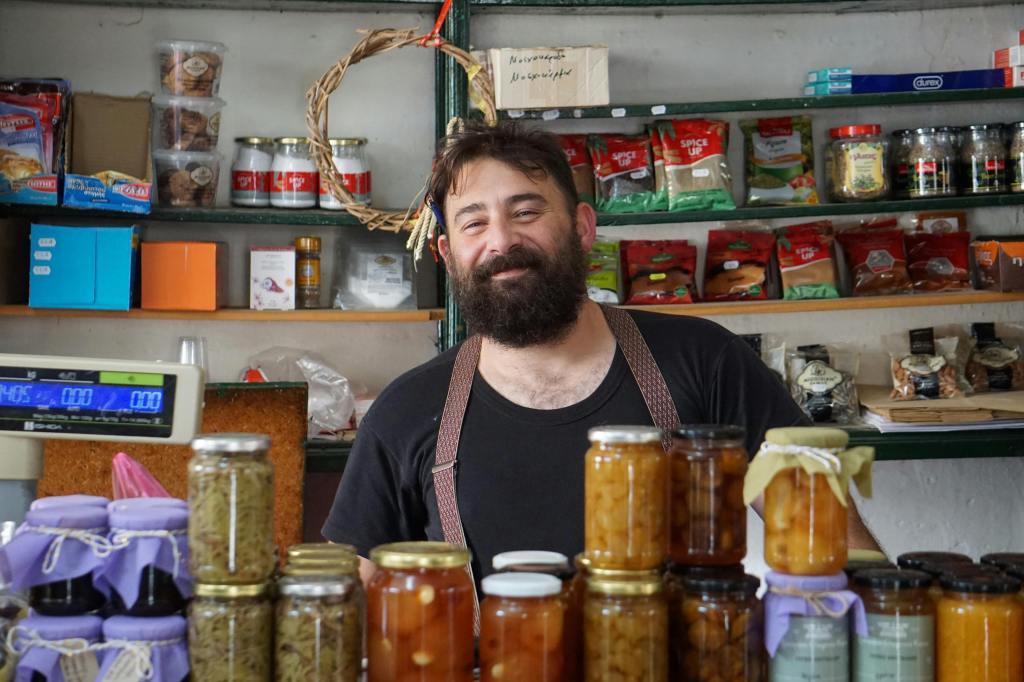
Retail
Provide sales of products at different retail levels
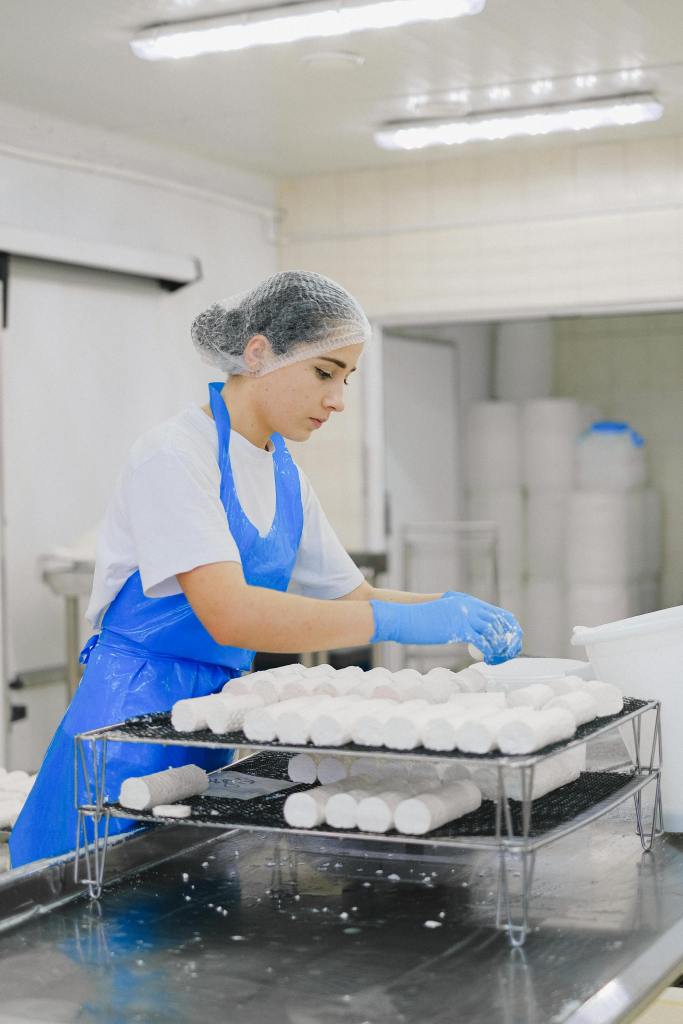
Processing Plant
Owner
Provide retail meat cutting services or work to supply goat products to users

Education
Opportunity to teach about goat production in all applications and learning environments